Disclosure: This post may contain affiliate links. If you click and purchase, I may receive a small commission at no extra cost to you. Thank you for your support!
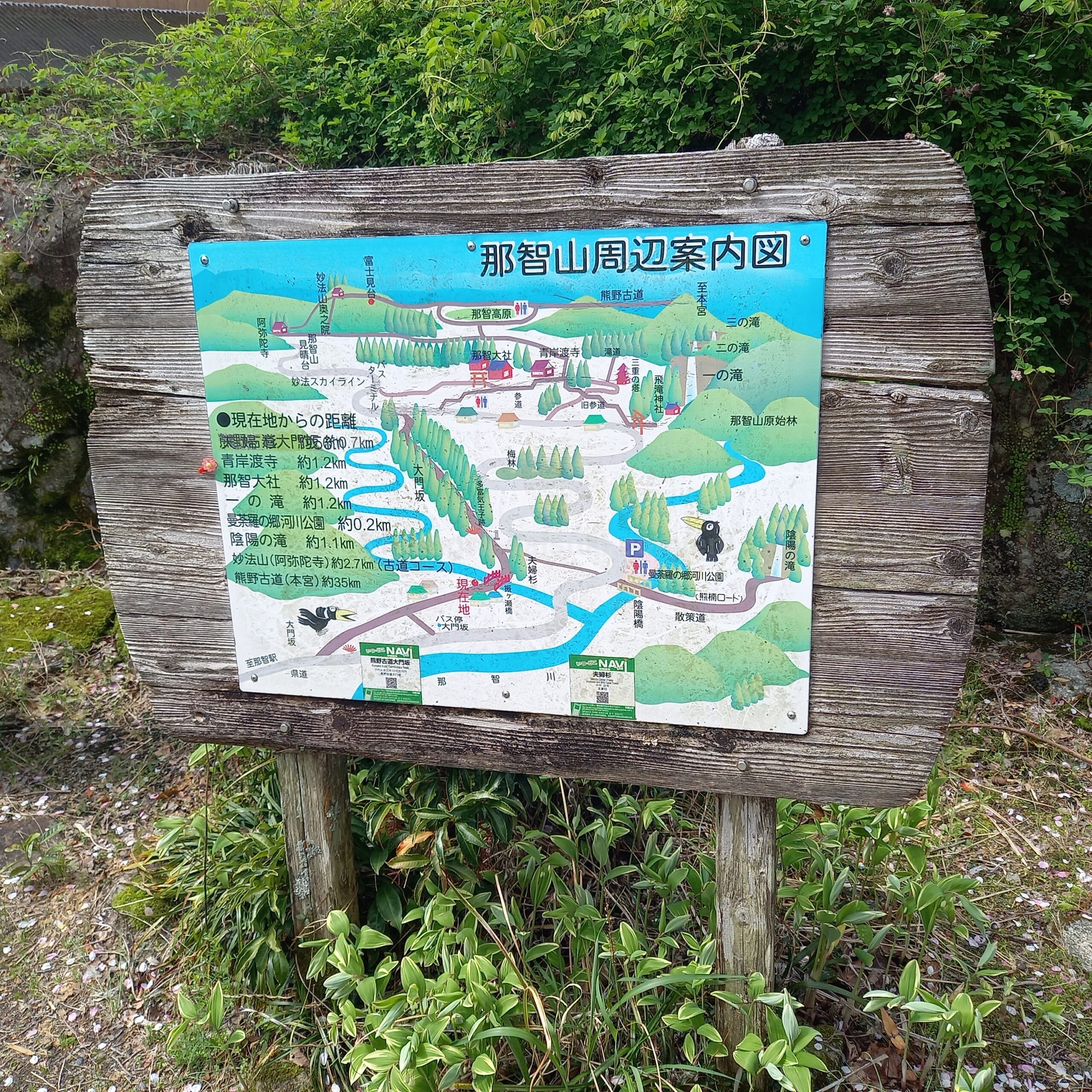
- Basic Information at the Entrance of Daimon-zaka
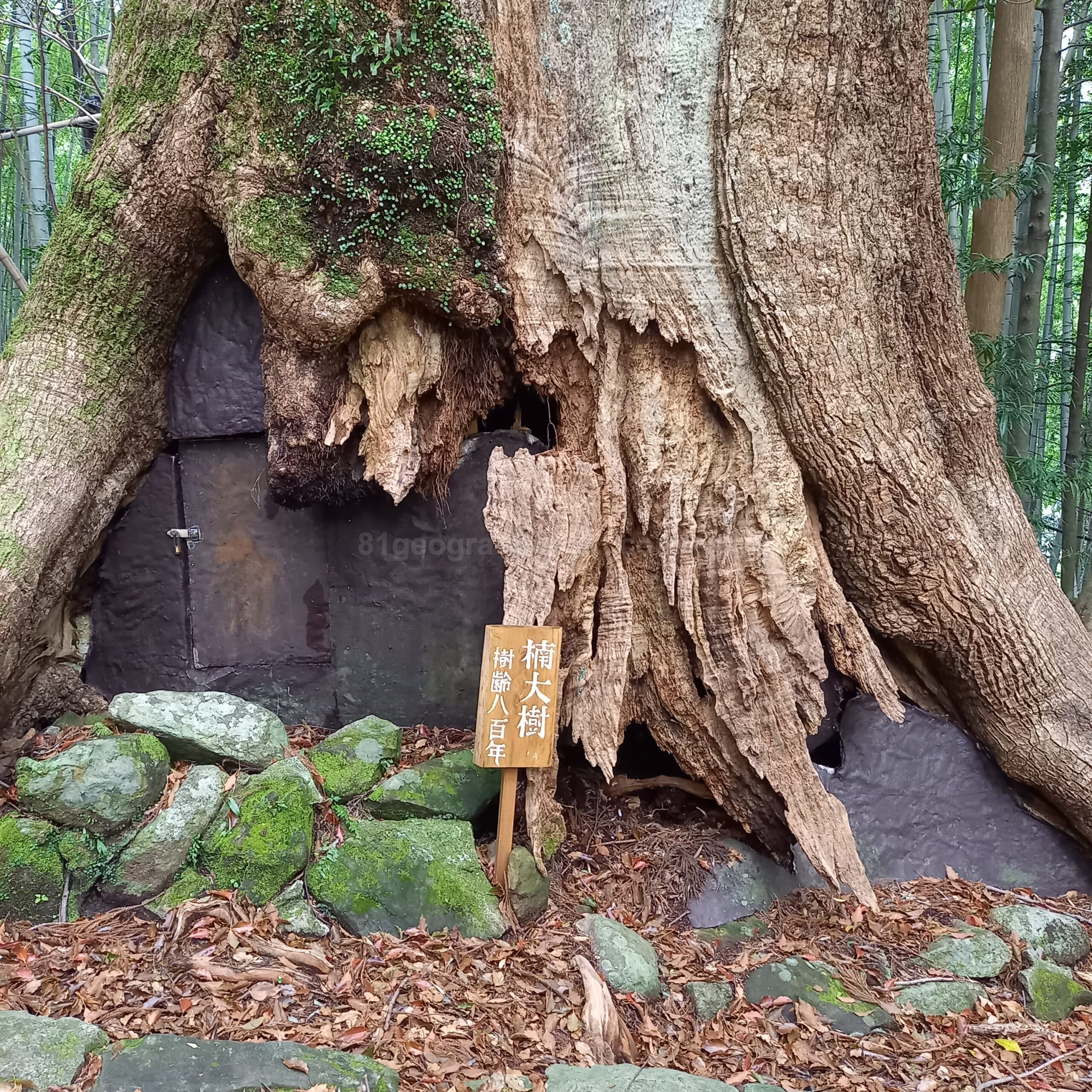
- Meeting an 800-Year-Old Camphor Tree
- Cherry Blossoms Await at the Top of the Stone Steps
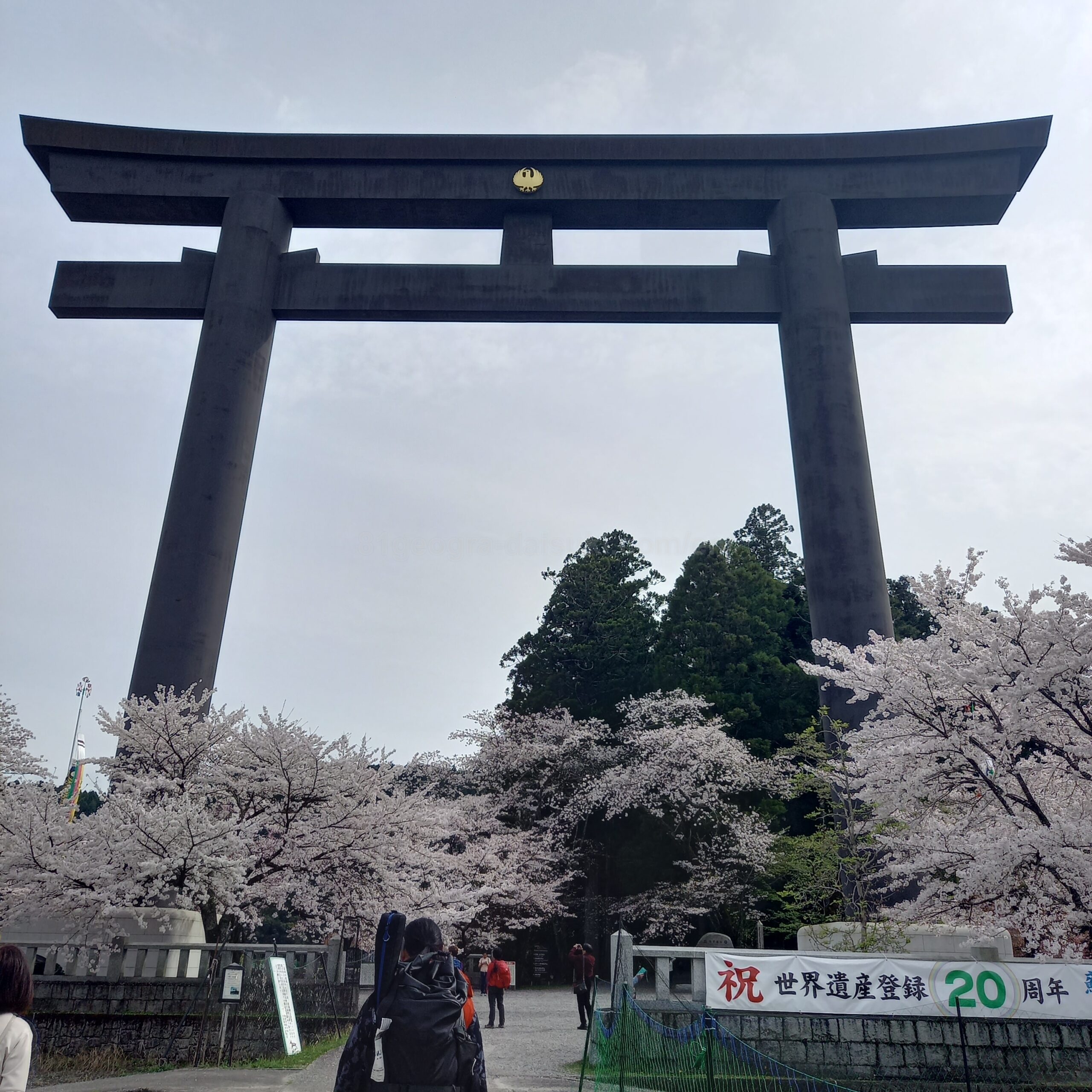
- Along the Approach — and the Torii Gate Comes into View
- We Have Arrived at Kumano Nachi Taisha!
- On to Nachi Falls — About Hirou Shrine
- A Hand Towel Commemorating the 20th Anniversary of World Heritage Registration
Basic Information at the Entrance of Daimon-zaka
- ✅ Parking lot available at the entrance
- ✅ No convenience stores nearby (prepare in advance)
- ✅ Restrooms available (Western and Japanese style)
- ✅ Featured on the official Wakayama tourism website as a recommended 3-hour course
- ✅ Uphill-only route with cobblestone stairs throughout
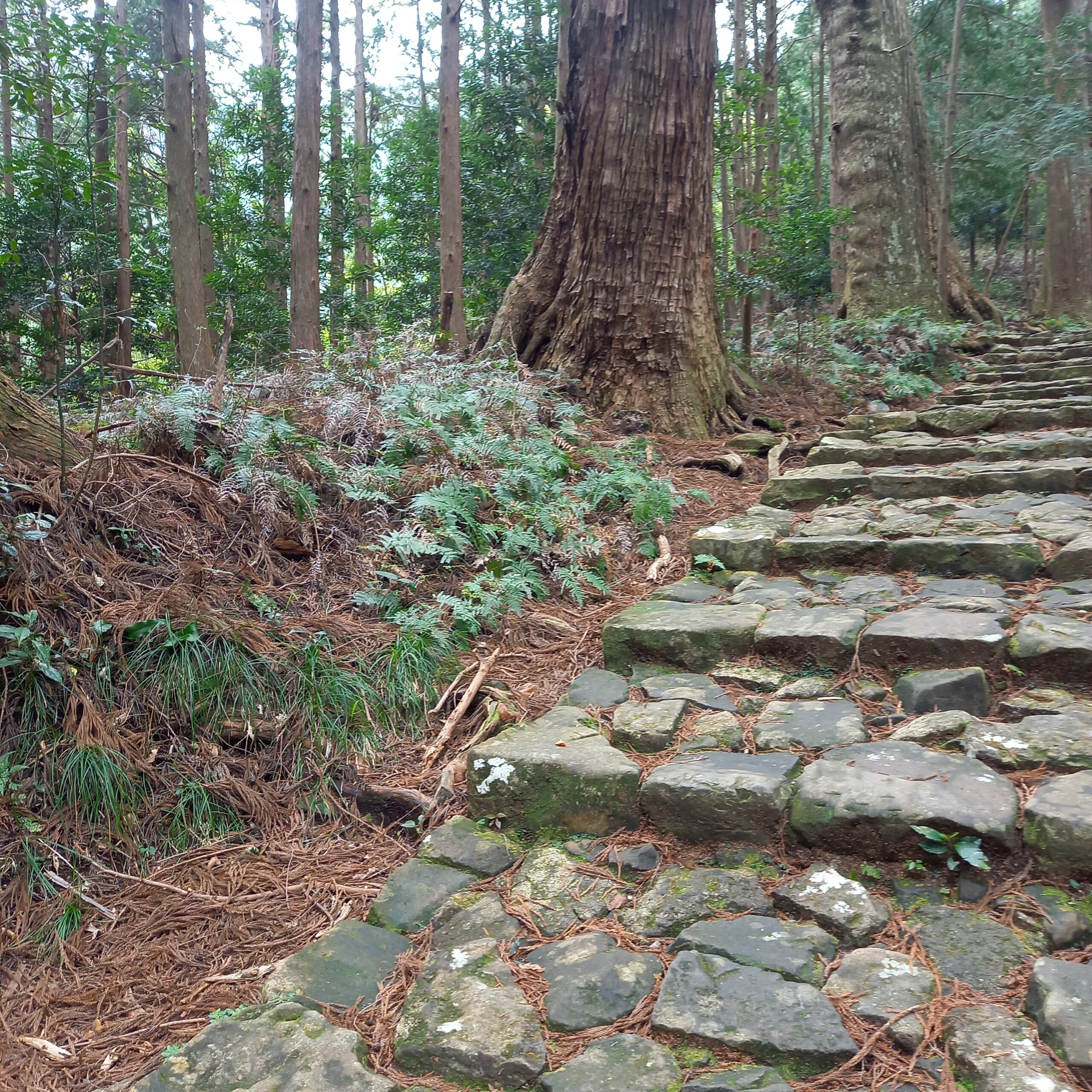
Meeting an 800-Year-Old Camphor Tree
Climbing further up the steep stairs, you will find an 800-year-old camphor tree on the right side of the path. Its overwhelming presence will stop you in your tracks.
This is a link to the Japanese website👇
Cherry Blossoms Await at the Top of the Stone Steps
Taking the stone-paved stairs step by step — resting as often as you need — you will eventually reach a flat area where the stone steps of Daimon-zaka end. The cherry blossoms here are simply beautiful! A perfect spot to catch your breath.
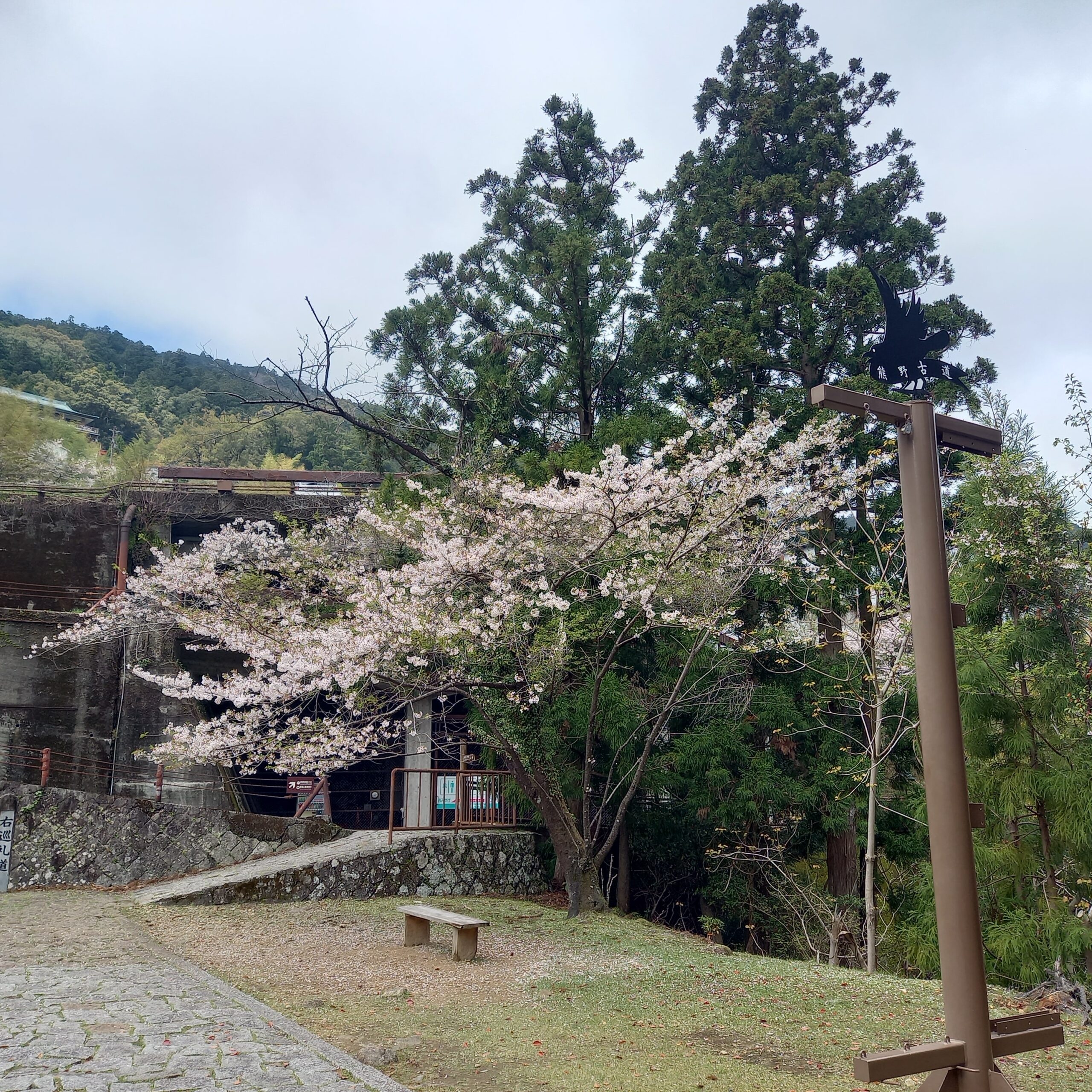
From this flat area, the path continues as a steep, concrete-paved road and stairway. Please note that some steps are angled or uneven, so watch your footing carefully when going both up and down.
Along the Approach — and the Torii Gate Comes into View
After climbing these stairs, you will reach an asphalt road busy with visitors from tourist information centers and sightseeing buses. From here, join the flow of people toward more stairs — the approach is lined with shops on both sides.
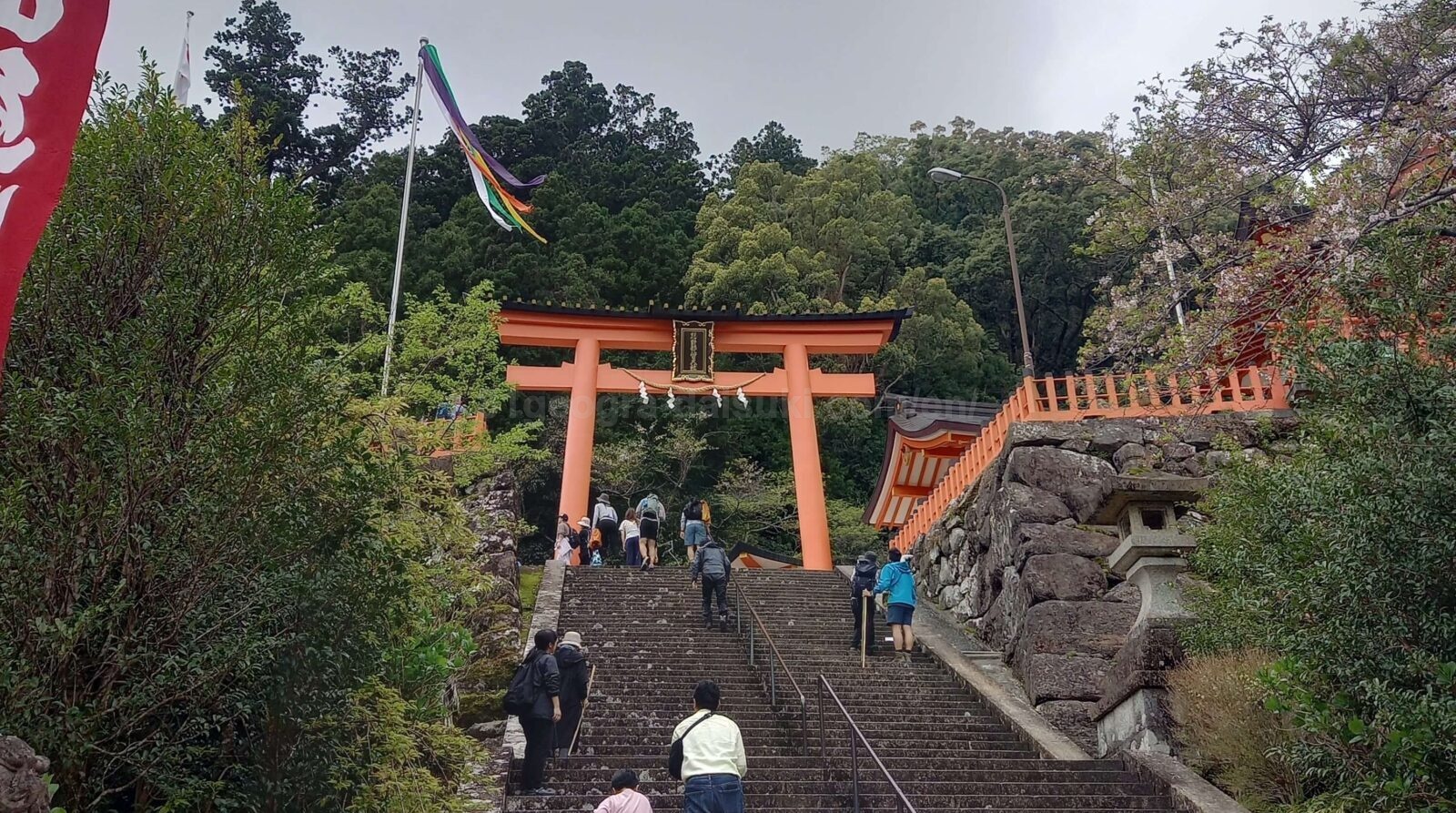
The torii gate comes into view. Once you climb these final stairs, you can feel the deep, sacred atmosphere of the shrine grounds.
We Have Arrived at Kumano Nachi Taisha!
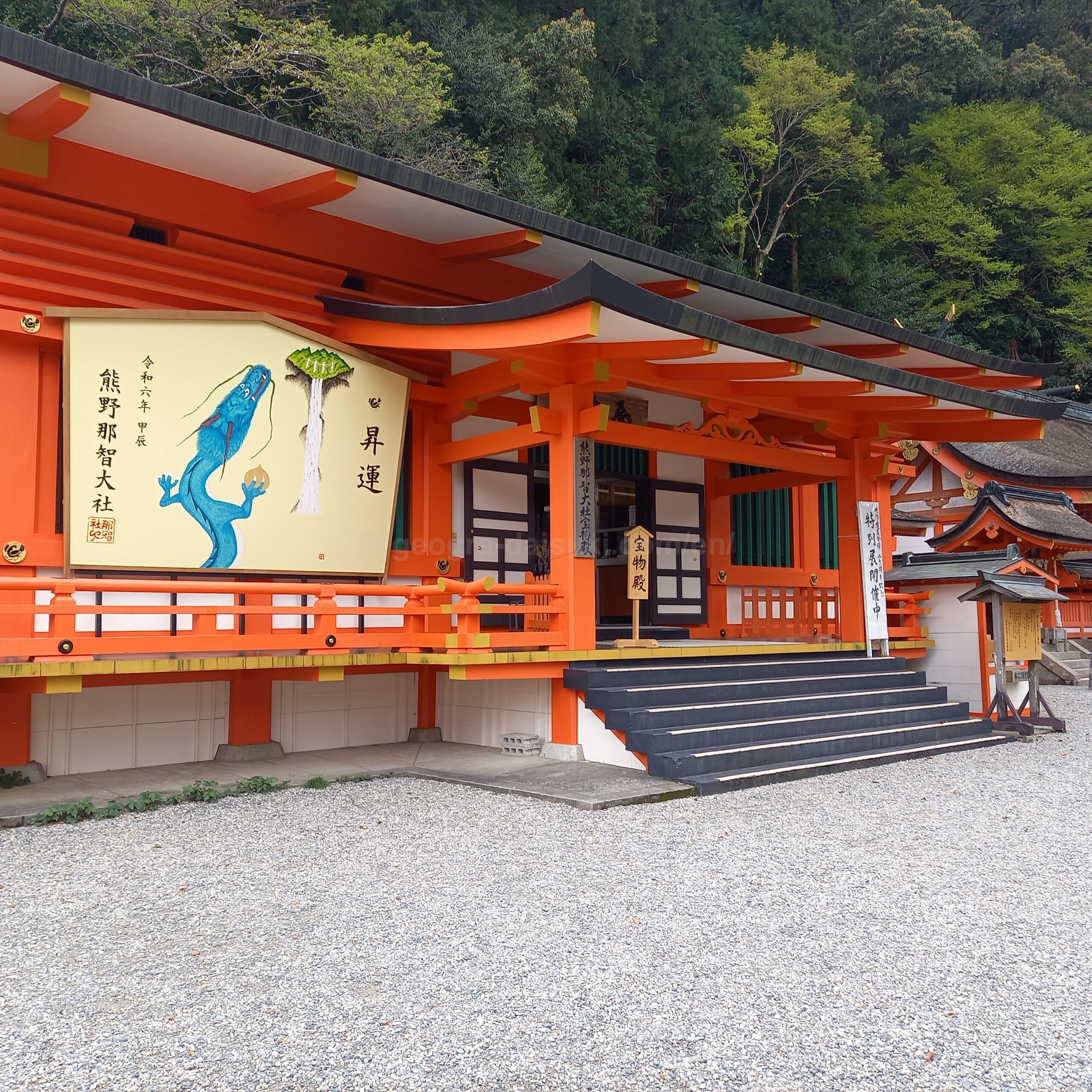
We arrived at the precincts of Kumano Nachi Taisha Shrine! Many international visitors were there as well — a reminder that this is truly a world-loved destination.
On to Nachi Falls — About Hirou Shrine
We are heading towards Nachi Falls. From there, you can see Seiganto-ji Temple, its three-story pagoda, and Nachi Falls.
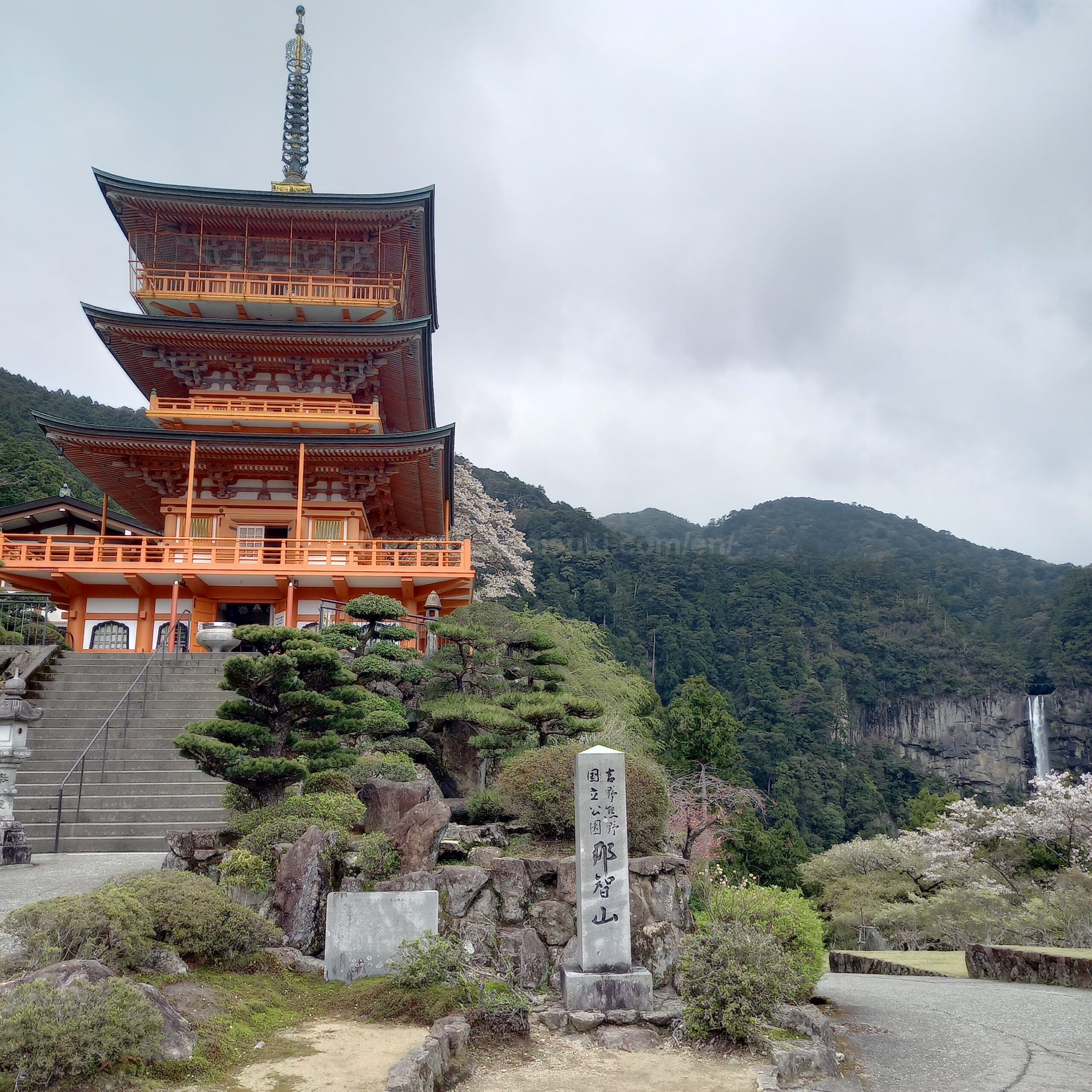
You can descend either via the steep stone steps or by walking along the road.
⚠️ A note about the stone steps to Nachi Falls
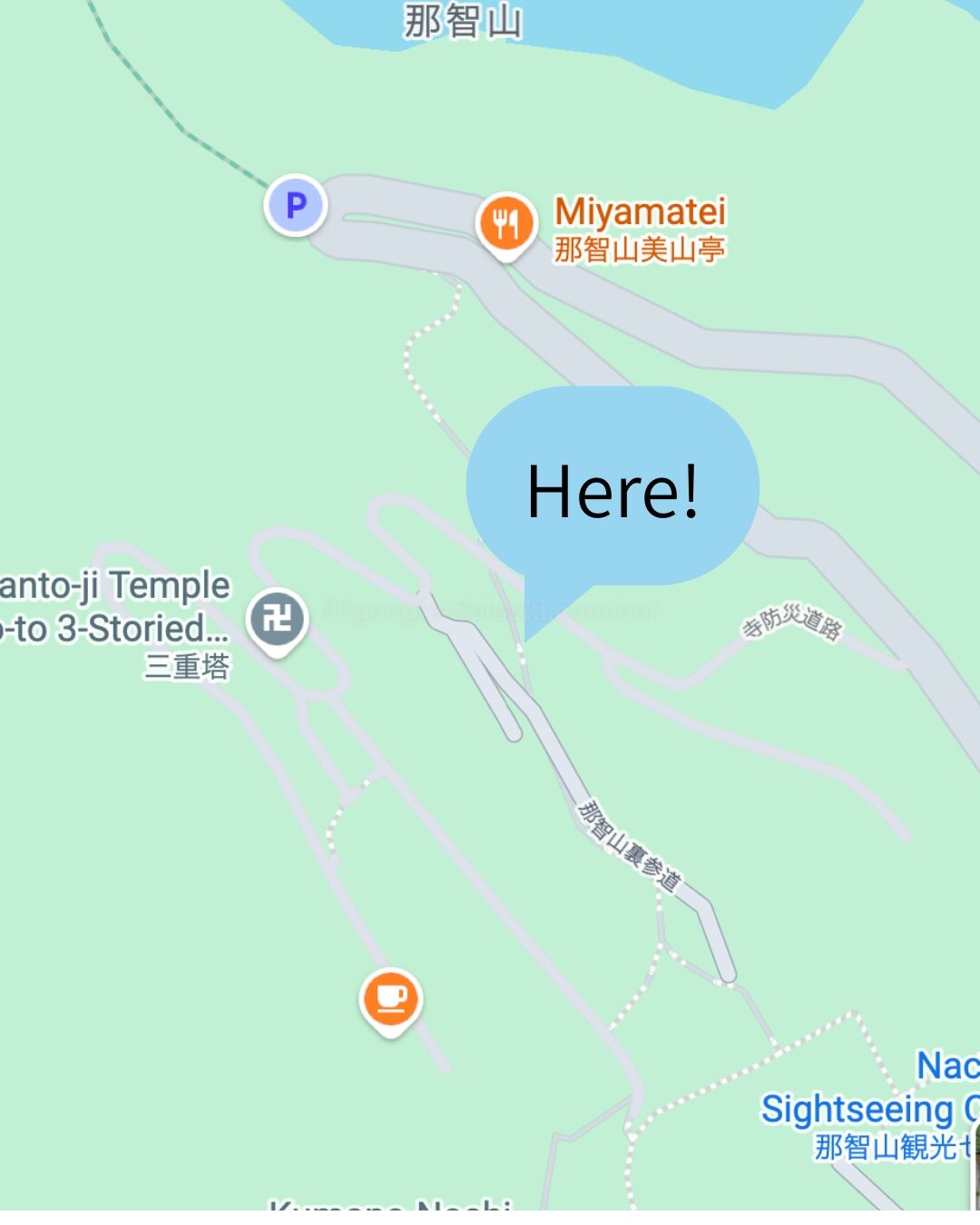
When I started down, many other visitors were also using the steps, so I set off without much thought.
However, as I descended, the height of each step became noticeably larger, and there are no handrails to hold onto. The steps are also quite wide. During the Golden Week holiday, the path was busy with people coming up from below, making it a bit tricky to pass.
In hindsight, I wish I had taken the road instead. If you usestick, are not fully confident on steep stairs, or are travelling with anyone who may find the descent challenging, I recommend taking the road — but please watch for passing vehicles. Note that once you start down the stone steps, you cannot transfer to the road partway through.
👇 Click here to check on a map.
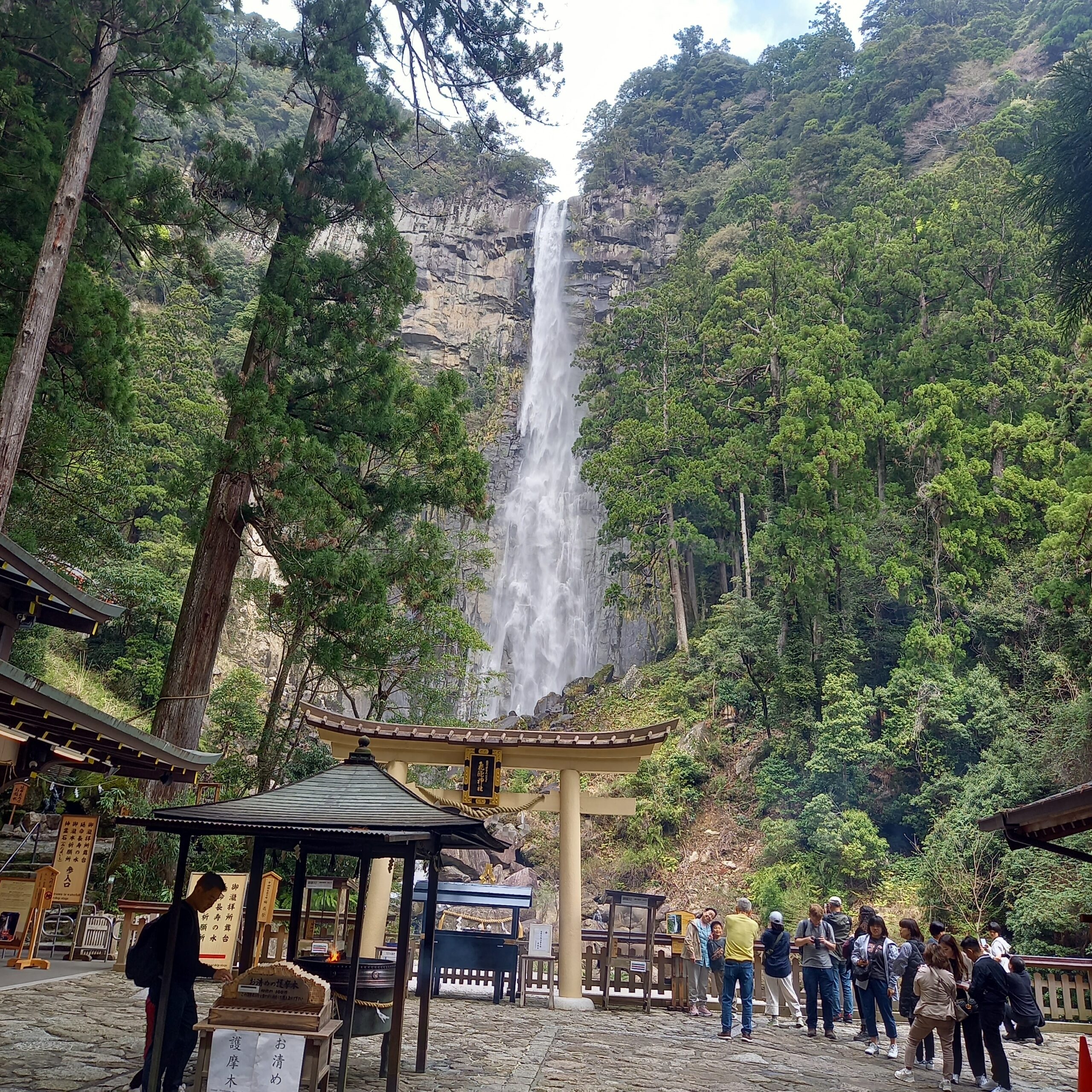
The site is formally divided into two areas: Nachi-no-Otaki (a UNESCO World Heritage Site and nationally designated Place of Scenic Beauty) and Hirou Shrine (飛瀧神社), a subsidiary shrine of Kumano Nachi Taisha. Hirou Shrine has no main hall — the waterfall itself is worshipped as the deity. Upon paying the viewing fee at the shrine office, you can access the viewing platform directly in front of the falls.
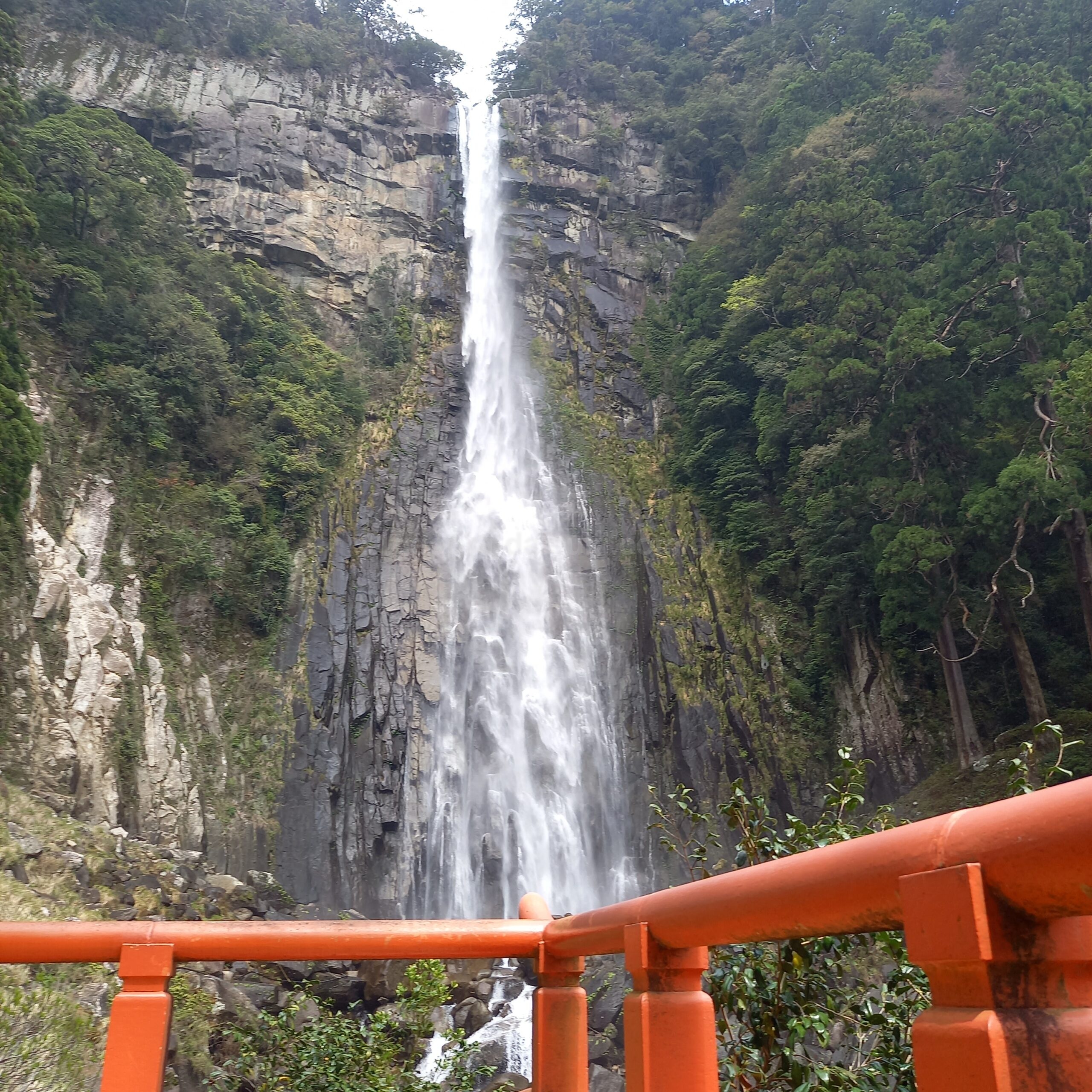
Hirou Shrine has an exceptionally long history. The deity of the waterfall and the gods of Kumano were originally enshrined at this spot, and it is said that Kumano Nachi Taisha was established in the 5th year of Emperor Nintoku’s reign (317 AD) and moved to its current location.
Reference: Kumano Nachi Taisha official website
A Hand Towel Commemorating the 20th Anniversary of World Heritage Registration
At the awarding office, I found a hand towel commemorating the 20th anniversary of the World Heritage registration. A wonderful keepsake — I made an offering of 1,000 yen to receive one.
This is a link to the Japanese website👇
This article is based on personal experience and photos, with some AI assistance to improve readability.