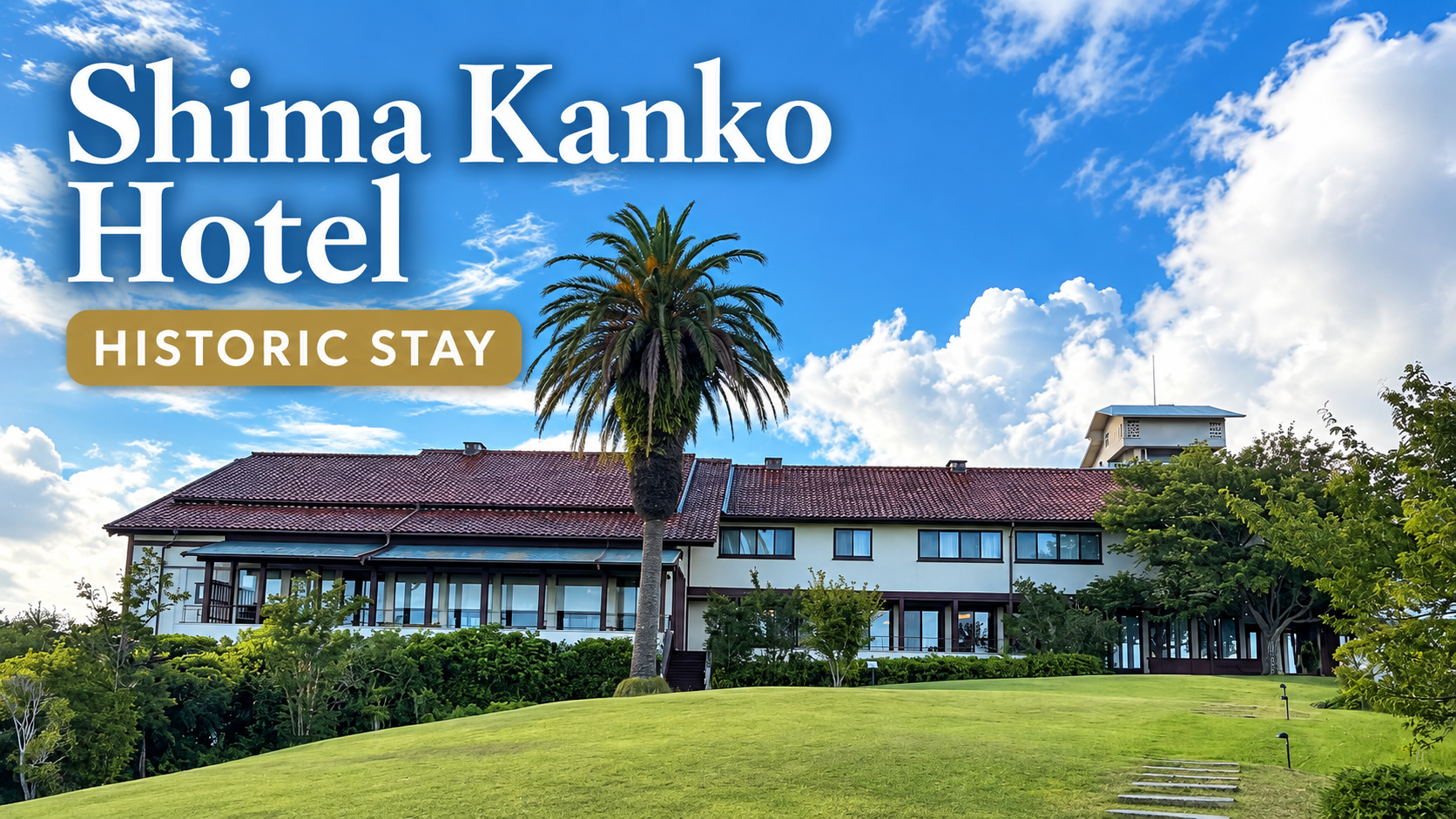
Visited April and July 2026
Some hotels are beautiful.
A few are historic.
Shima Kanko Hotel in Kashikojima is both.
Its buildings look across the calm waters and pearl rafts of Ago Bay, while its story reaches from Japan’s postwar years to the 2016 G7 Ise-Shima Summit.
What makes the history memorable is that it is not hidden away.
During a stay, you can still see the original building, a stone monument bearing a poem by Emperor Showa, summit displays, the desk of novelist Toyoko Yamasaki and a tea room preserved from the hotel’s earliest days.
Check Shima Kanko Hotel availability on Expedia
- Born from postwar Japan, built to welcome the world
- An imperial visit and the poem monument in the garden
- Three buildings, three eras, one history
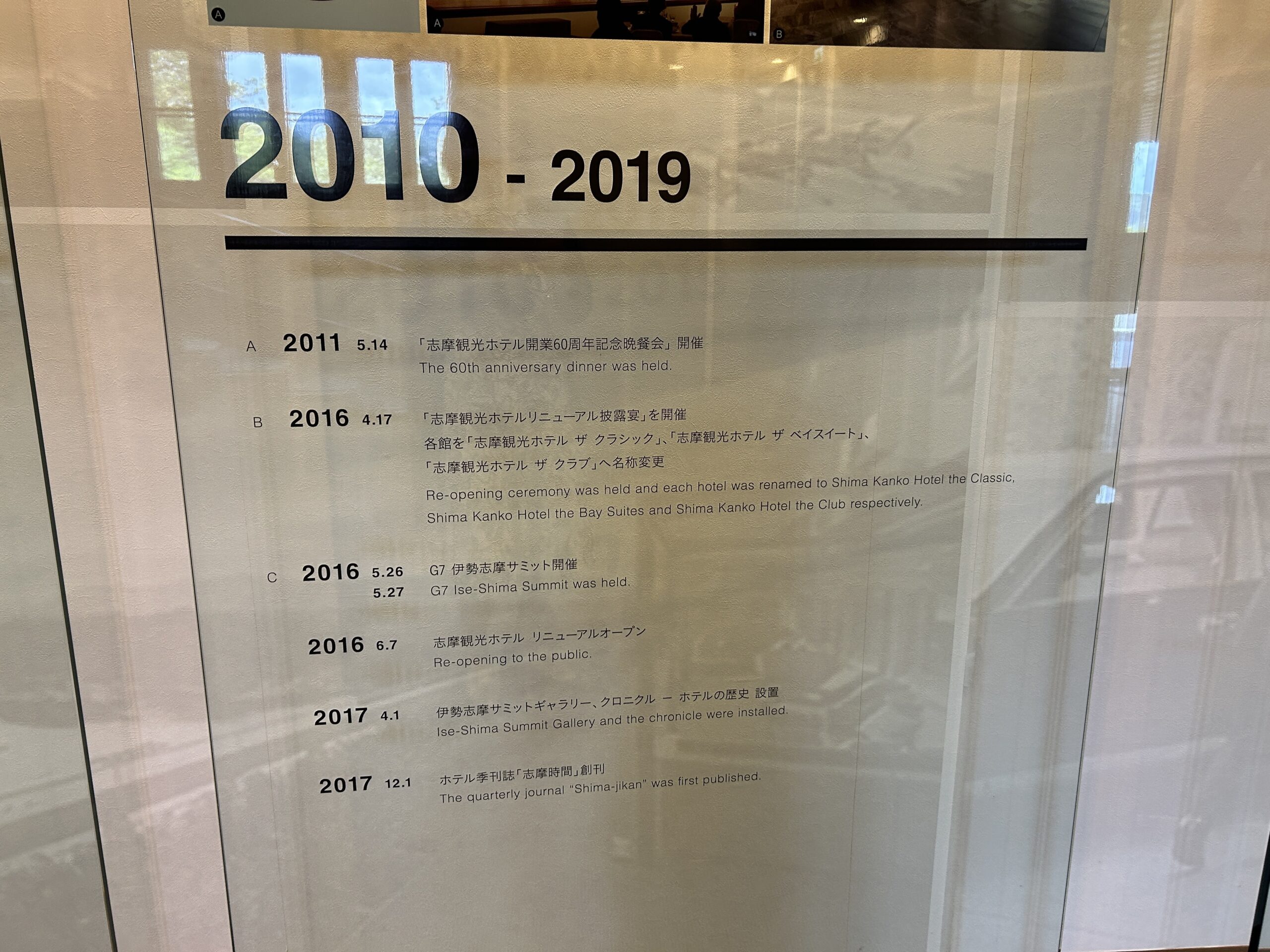
- The 2016 G7 Ise-Shima Summit
- The Ago Bay sunset and Toyoko Yamasaki
- The Club and the tea room Guan
- A morning historical tour for hotel guests
- Why history changes how you see this place
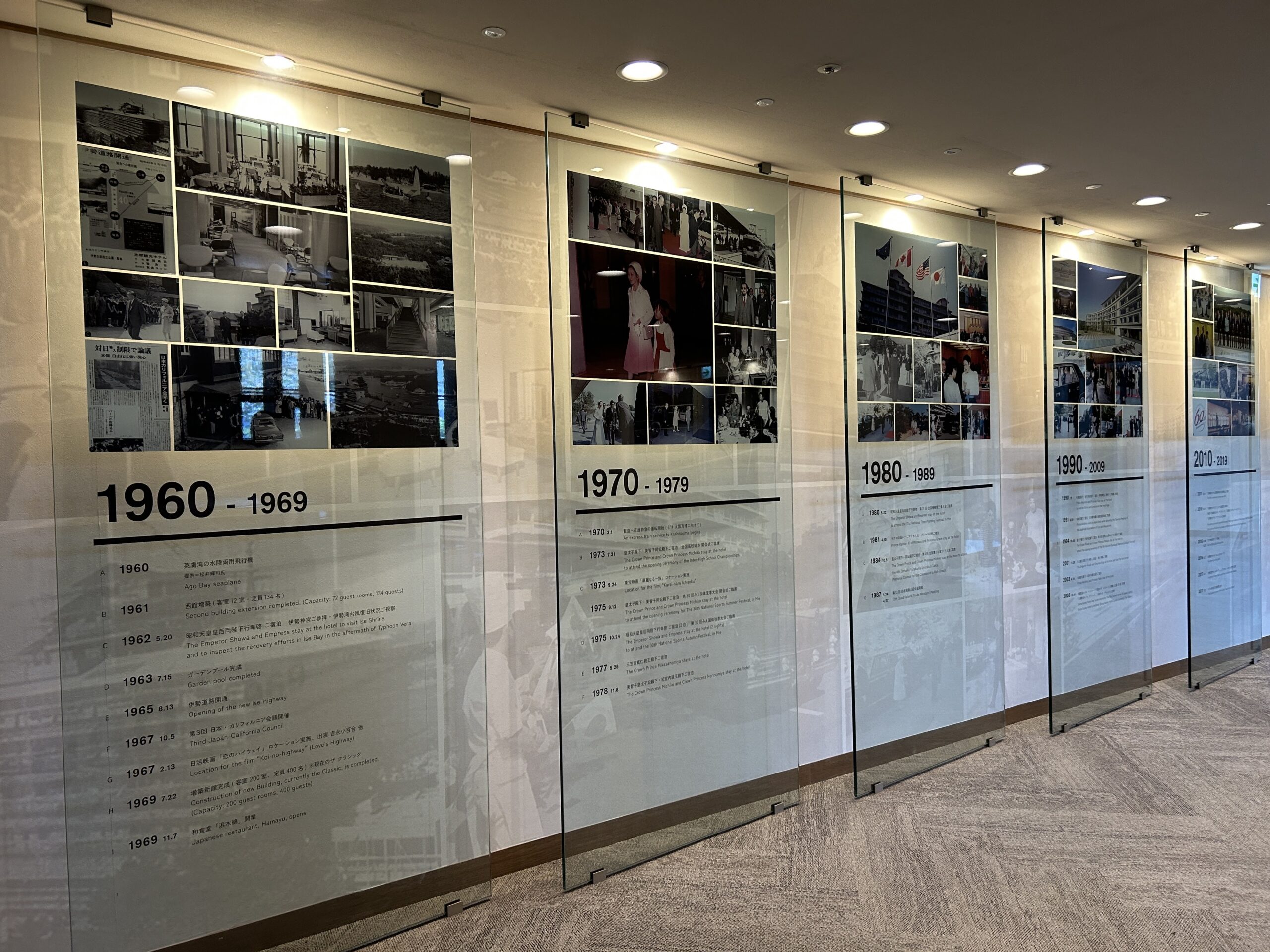
Born from postwar Japan, built to welcome the world
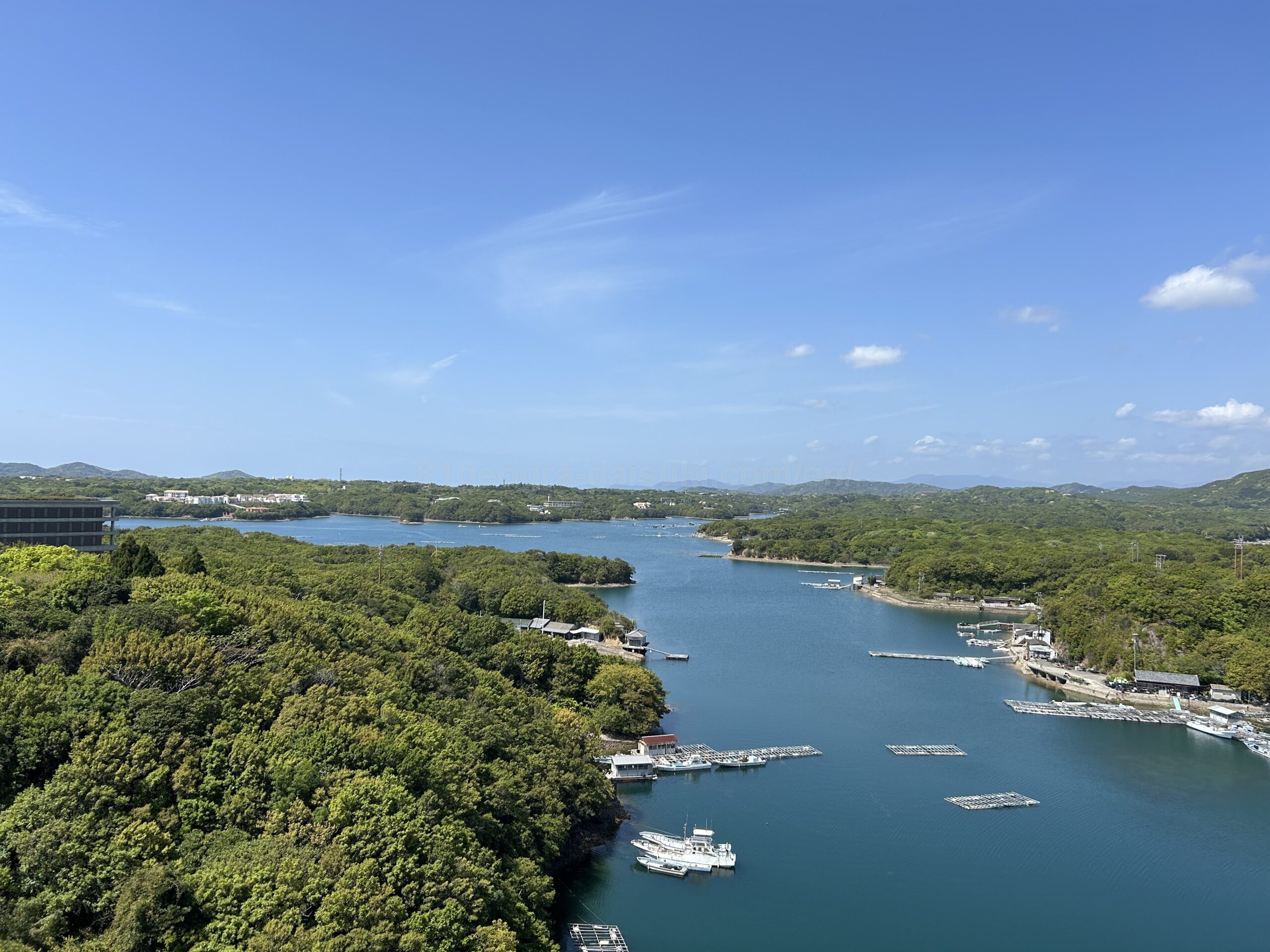
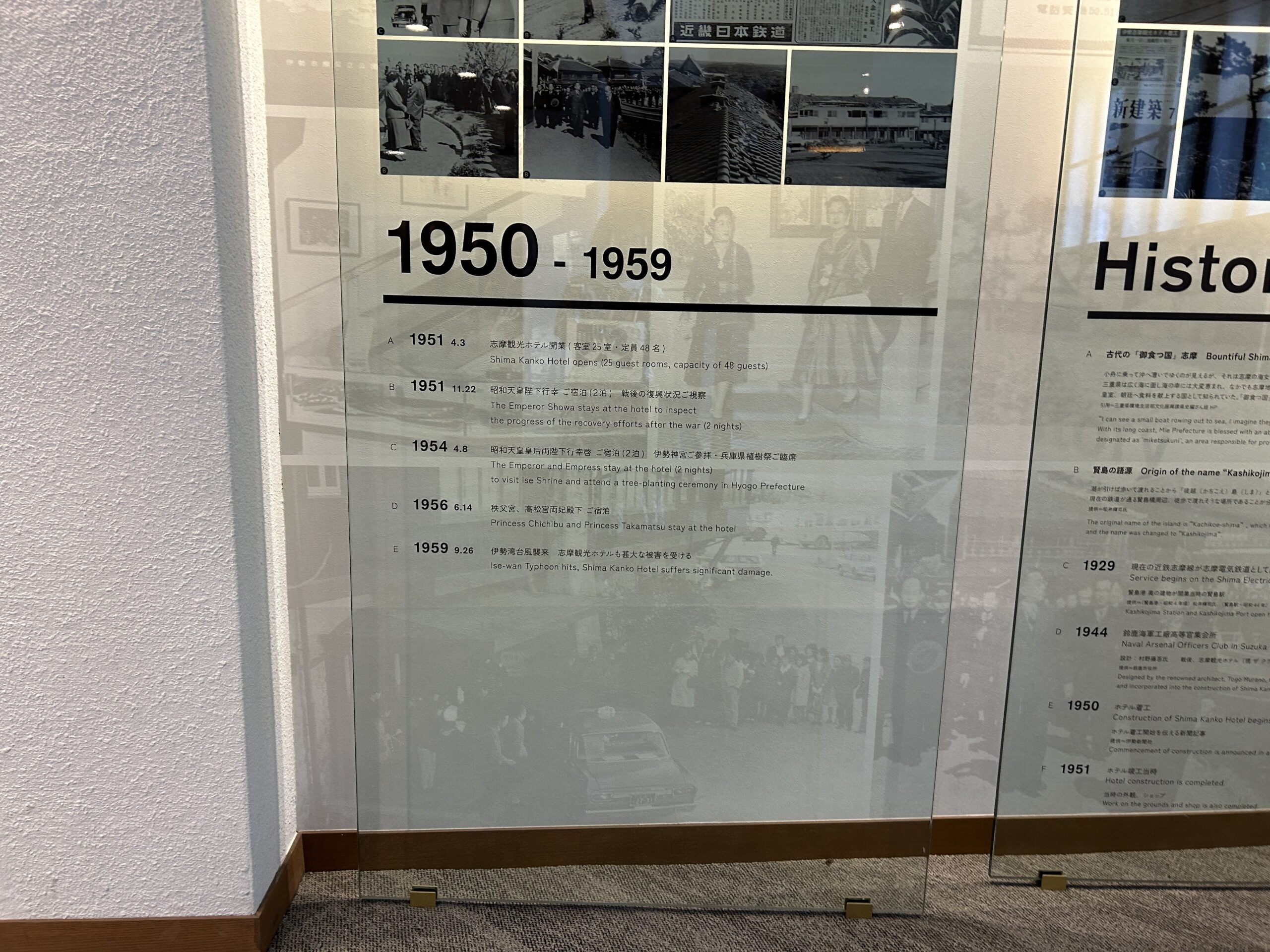
Shima Kanko Hotel opened on 3 April 1951.
Its official chronicle describes it as Japan’s first fully Western-style resort hotel of the postwar era.
At the time, foreign pearl buyers were already visiting Kashikojima, and a Western-style hotel was considered necessary for the growing Ise-Shima National Park area.
Ago Bay is a classic ria coastline, known for its deeply indented shore and many small islands.
The scenery was part of the reason for building the hotel here, and the view still connects every stage of its history.
Architect Togo Murano designed the original building.
Because materials were scarce after the war, pillars and beams from a former naval facility in Suzuka were reused in its construction.
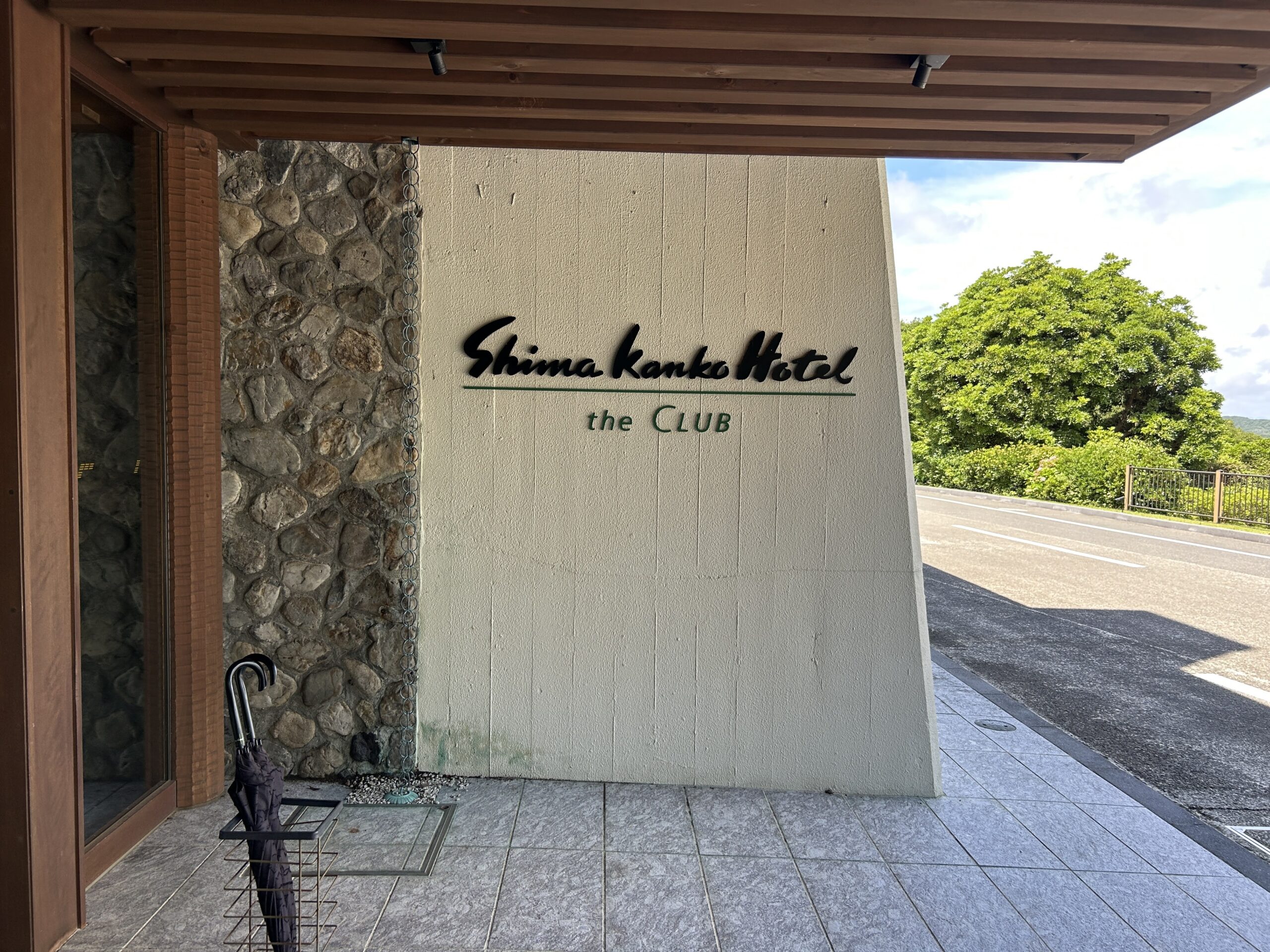
The building survives today as The Club, where historical displays and preserved spaces introduce guests to the hotel’s beginnings.
An imperial visit and the poem monument in the garden
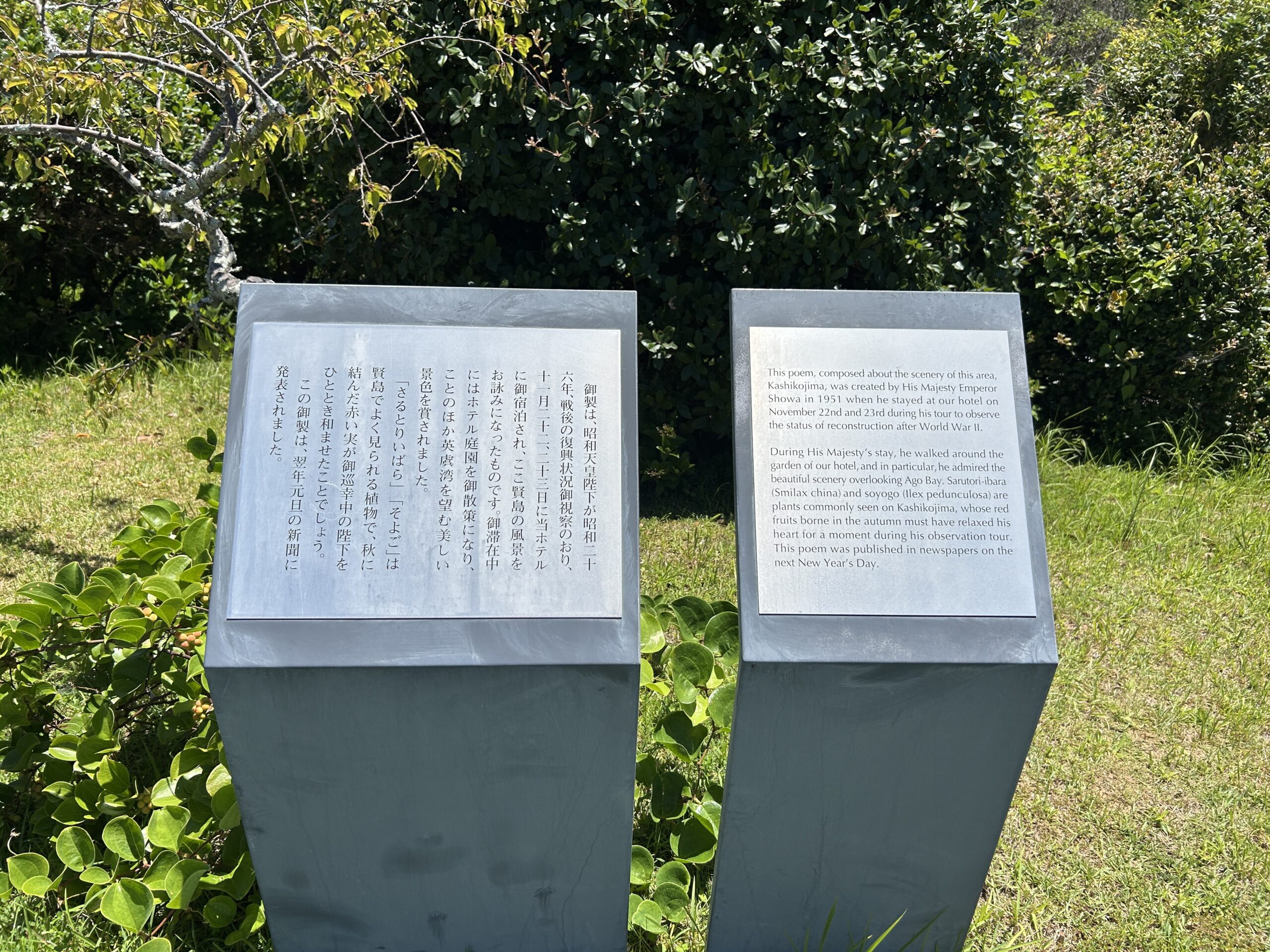
Emperor Showa visited in November 1951, only months after the hotel opened.
During a walk in the garden, he admired the view over Ago Bay.
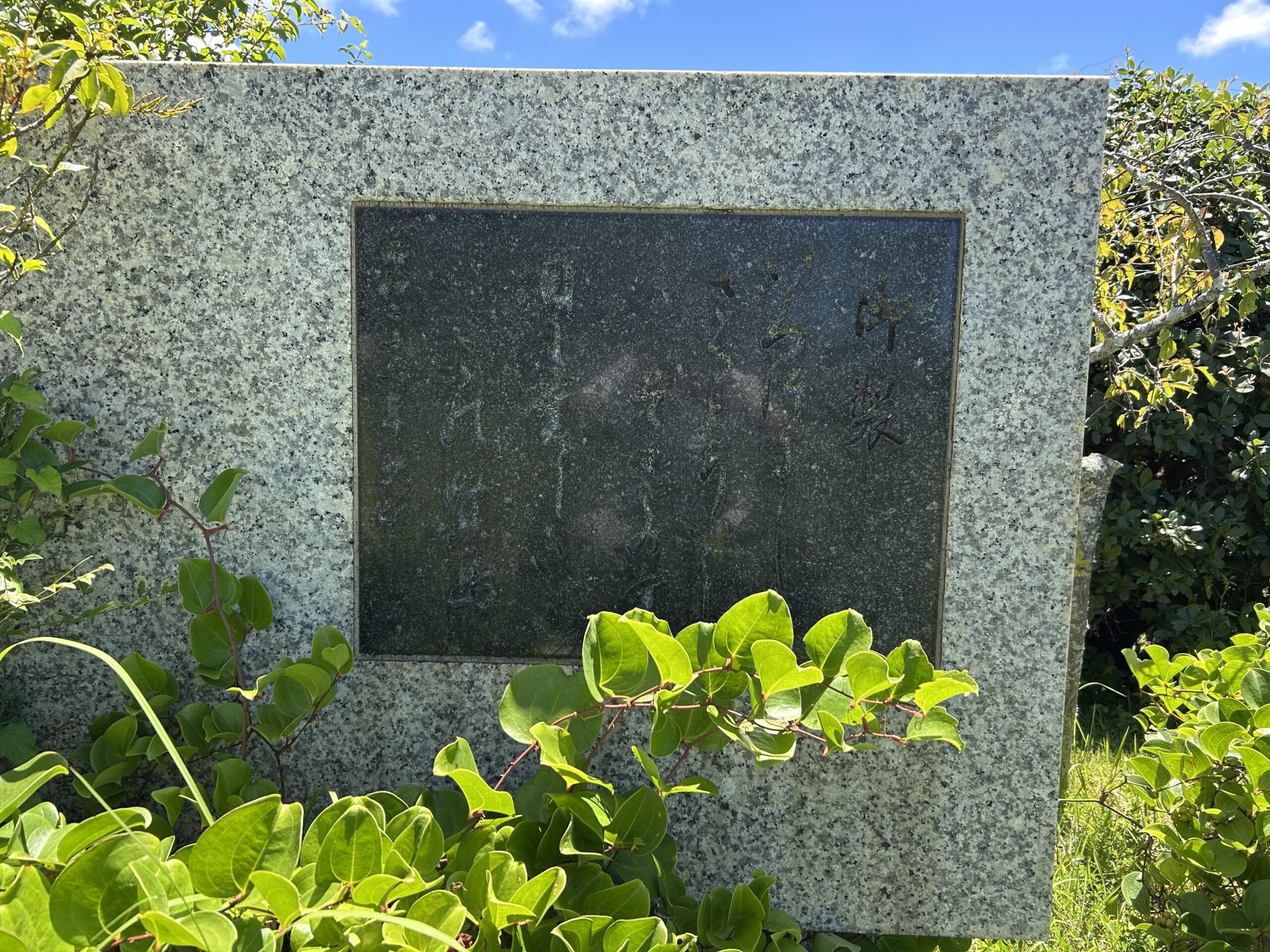
The following year, he published a poem recalling the coloured berries and plants he had seen on Kashikojima.
A stone monument bearing the poem still stands quietly in the garden.
It is easy to pass without noticing, but finding it makes the hotel’s early history feel present rather than distant.
The visit and the poem are recorded in the hotel’s official chronicle.
Three buildings, three eras, one history
The hotel now comprises three buildings.
The Club is the original 1951 hotel and carries the oldest layers of the story.
It is no longer the main accommodation building, but it remains the best place to explore the hotel’s architecture, art and cultural displays.
The Classic was completed in 1969.
Its rooftop observatory offers a wide view of Ago Bay, while its interiors have been renewed for present-day guests.
The building was also refurbished ahead of the 2016 G7 Ise-Shima Summit.
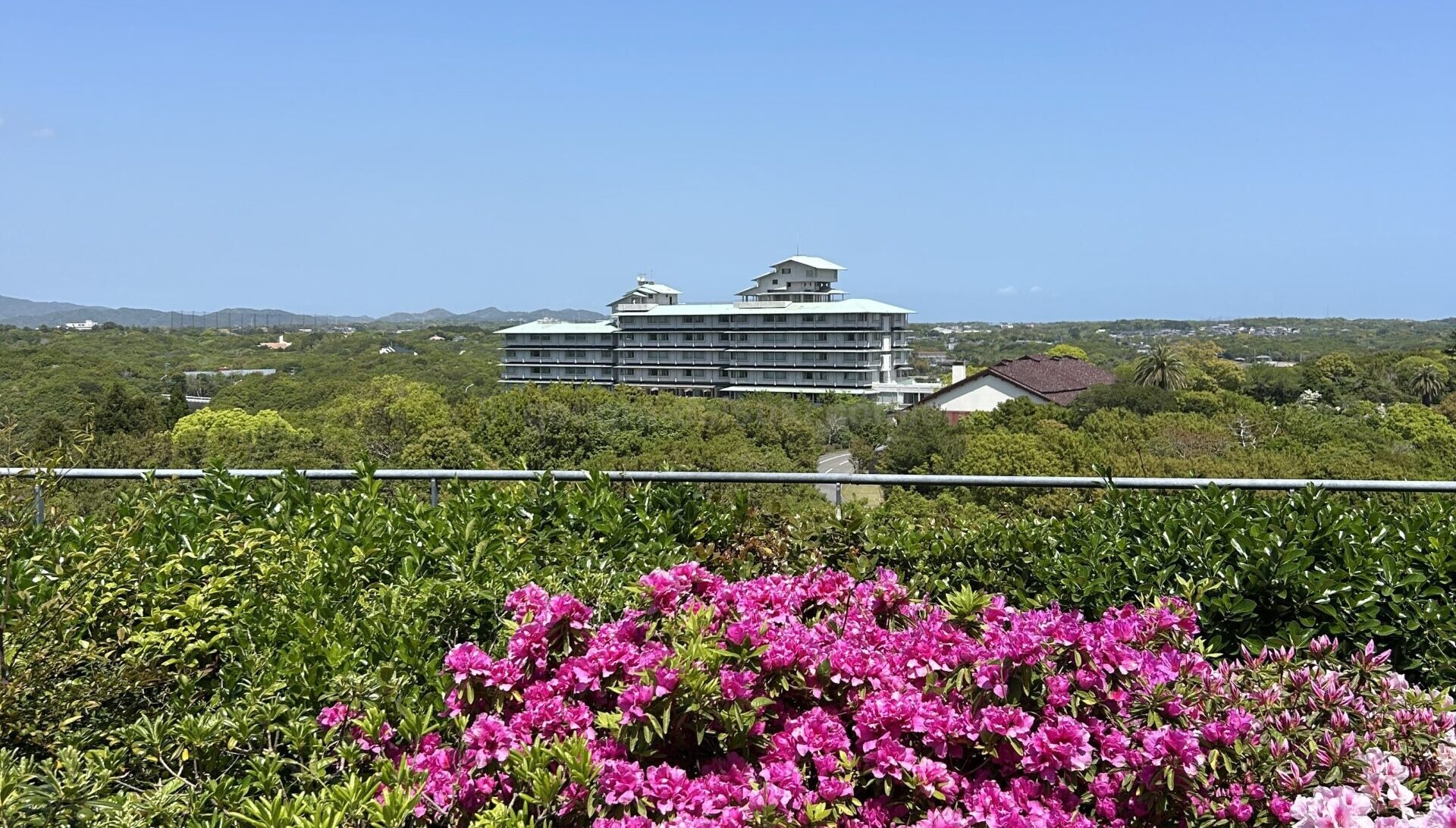
The Bay Suites opened in 2008.
All of its guest rooms are suites, and the building’s rooftop garden brings visitors close to the changing colours of the bay.
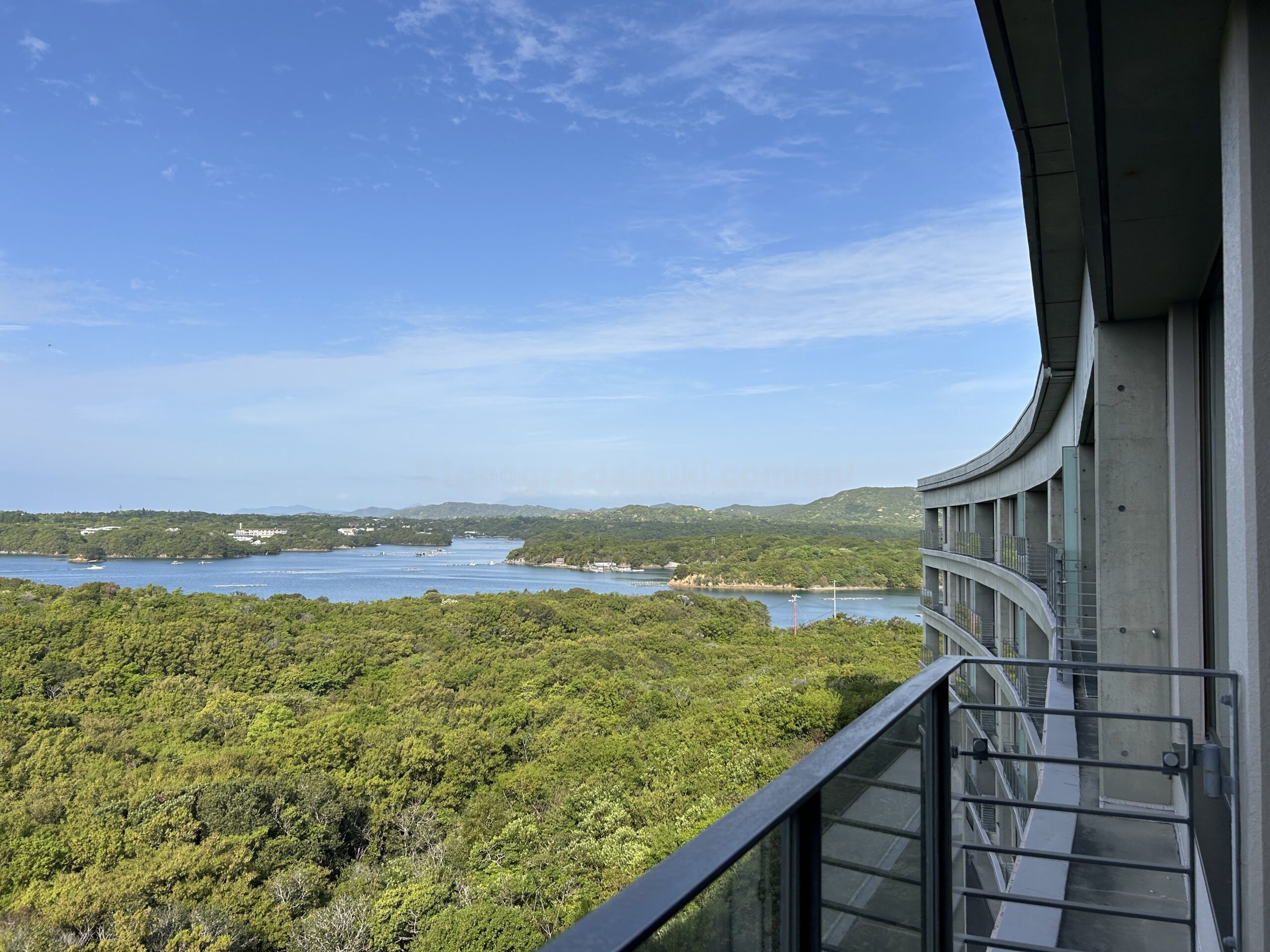
The 2016 G7 Ise-Shima Summit
In May 2016, Shima Kanko Hotel served as the main venue for the G7 Ise-Shima Summit.
The setting placed Ago Bay in international news, but the summit is not only an event in an old photograph.
In The Club, guests can see the table that was actually used for the summit working lunch.
The Bay Suites rooftop garden also preserves the viewpoint where the leaders posed for the official group photograph.
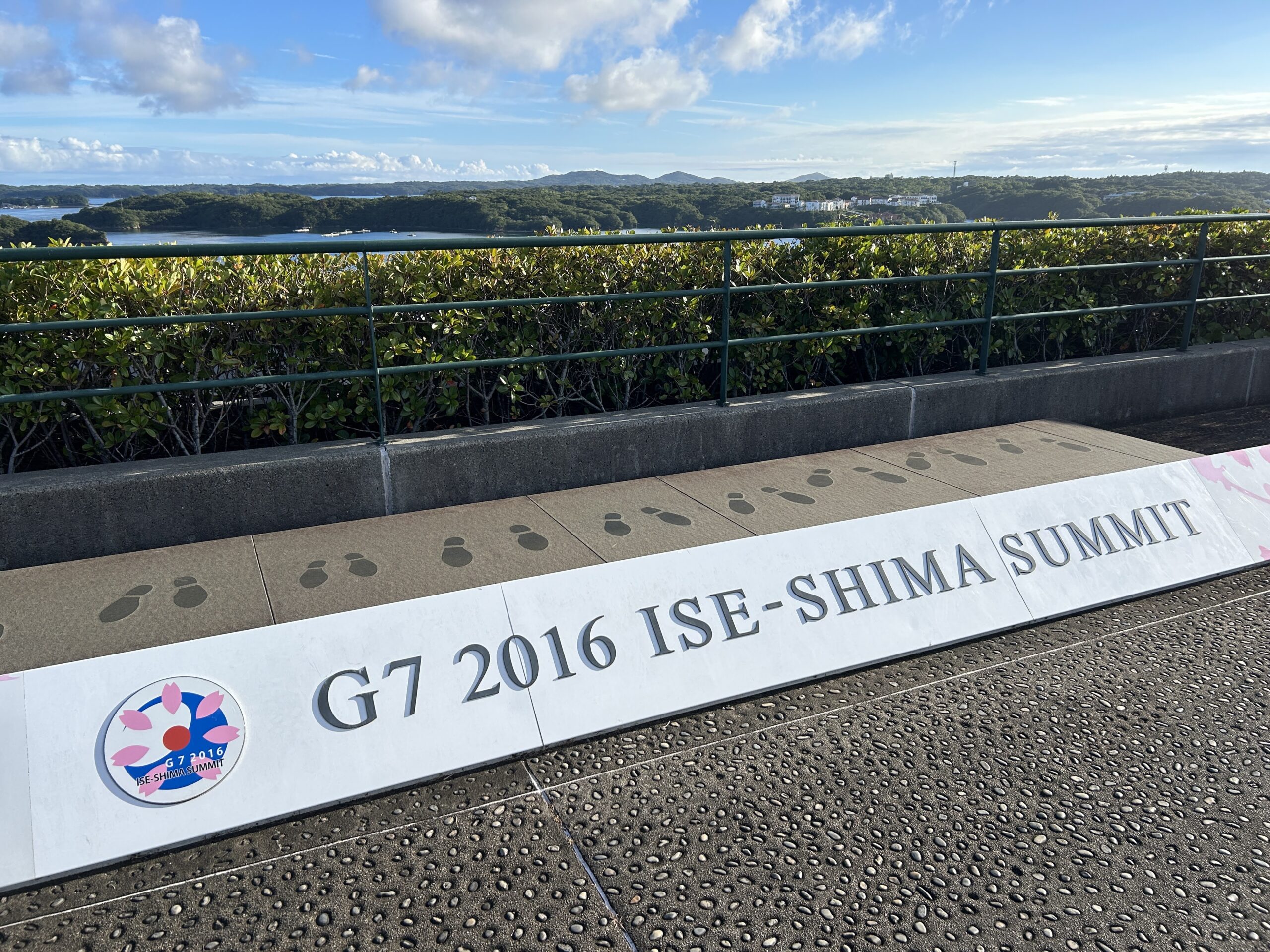
A staff-led tour is a helpful way to understand these places.
Without an explanation, it would be easy to enjoy the view without realising how the buildings and landscape were used during the summit.
The hotel provides further background on its official summit and gastronomy page.
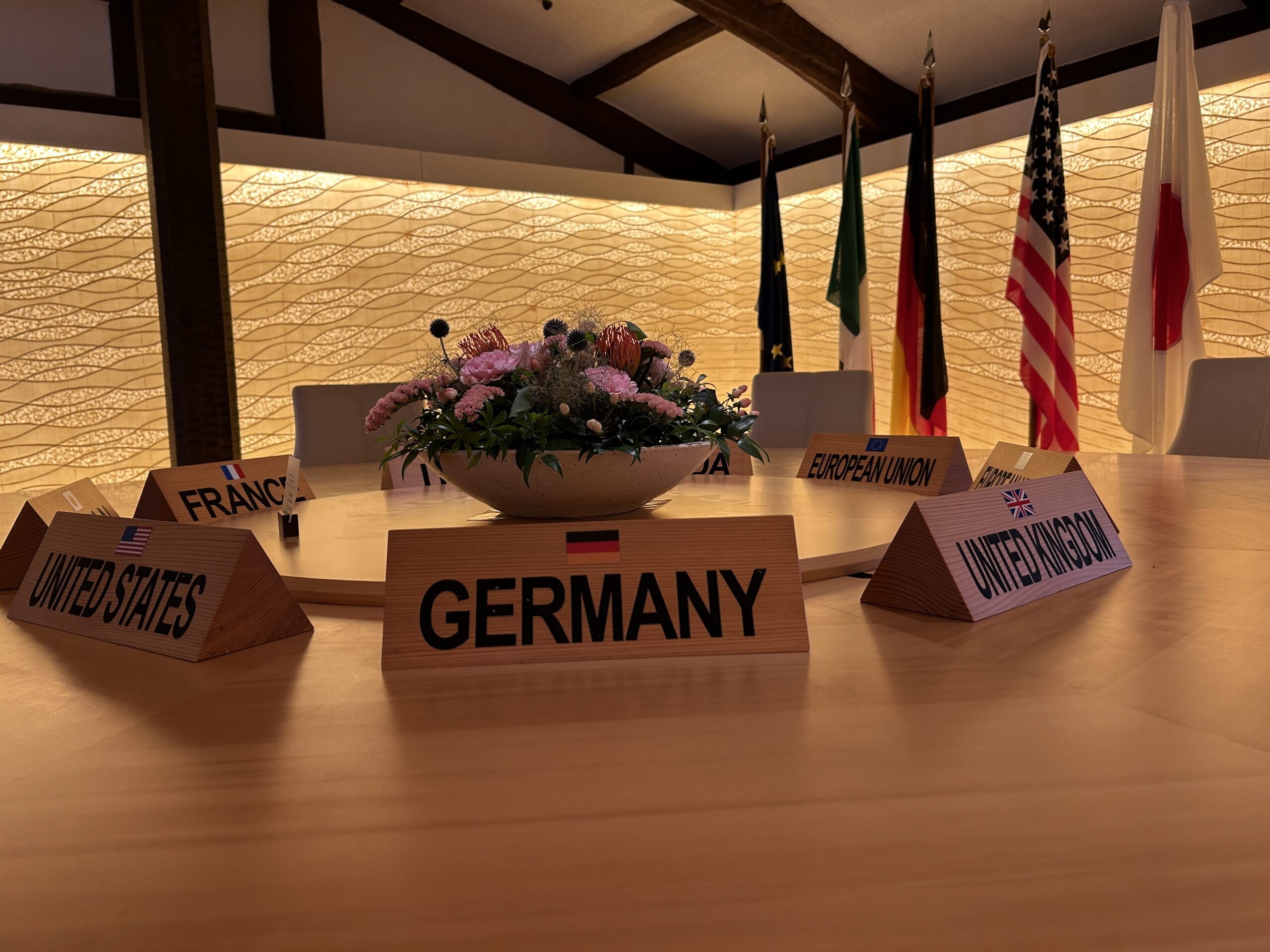
The Ago Bay sunset and Toyoko Yamasaki
Shima Kanko Hotel also has an important literary connection.
Novelist Toyoko Yamasaki stayed here while working on books including Karei-naru Ichizoku, known in English as The Family.
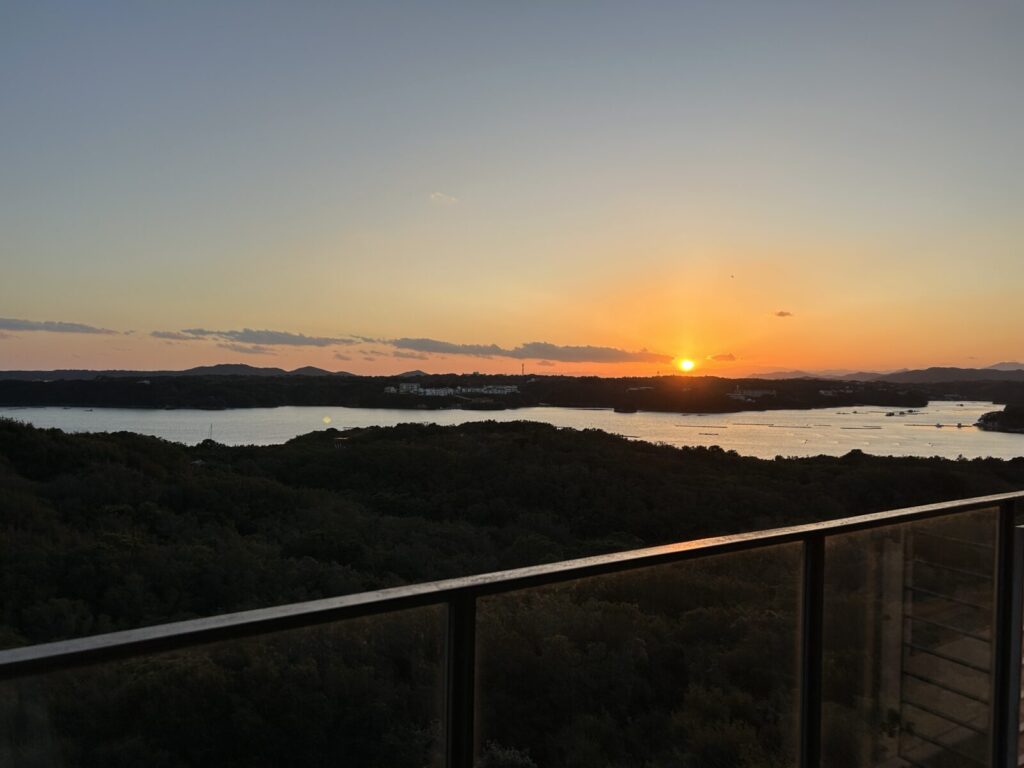
The opening atmosphere of the novel is closely connected with twilight over Ago Bay.
According to the hotel’s literary archive, Yamasaki repeatedly observed the sunset, including from a window in the semi-basement boiler room, to understand the moment when the sun met the horizon.
Her desk and chair are now displayed in The Club.
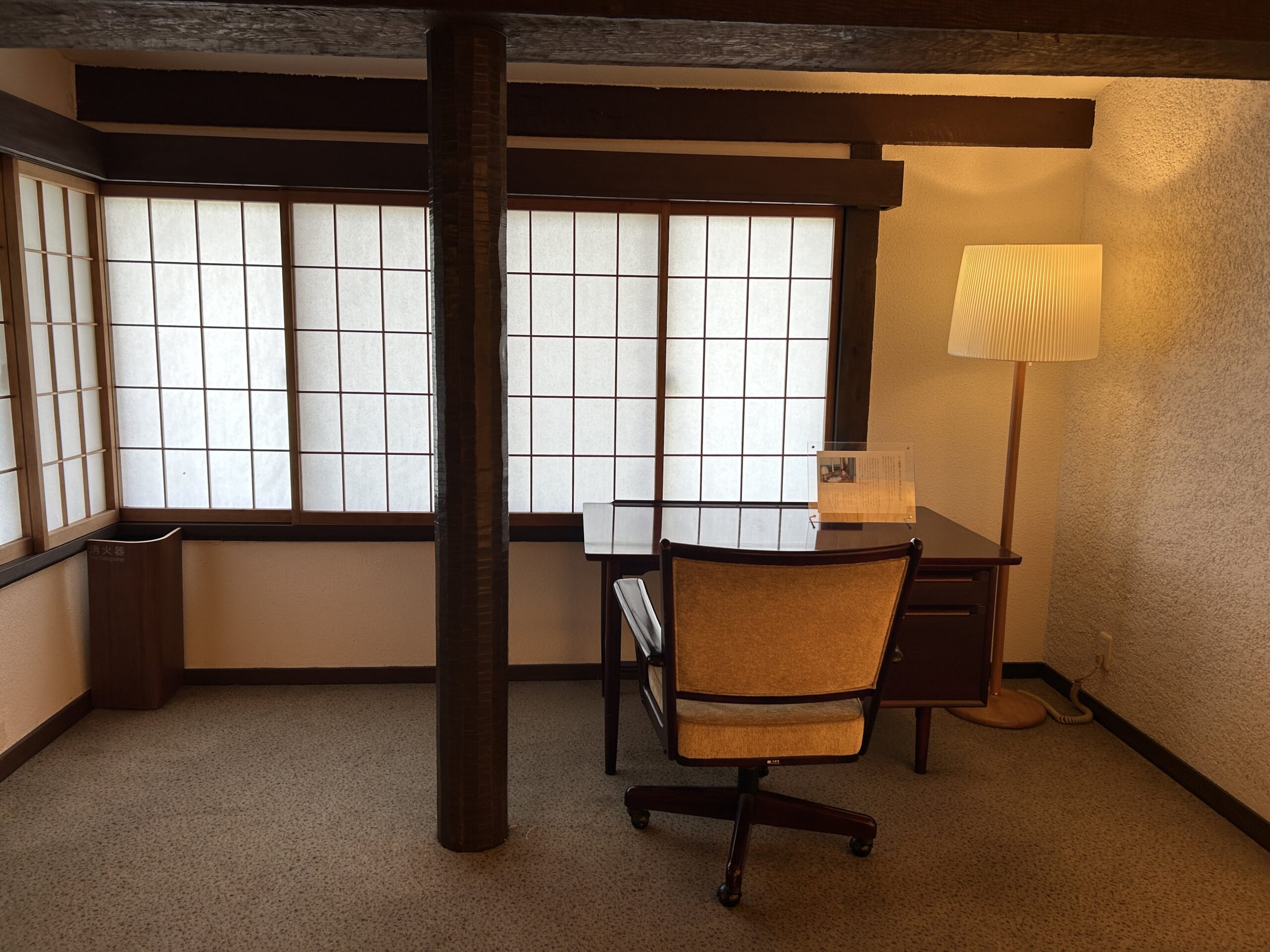
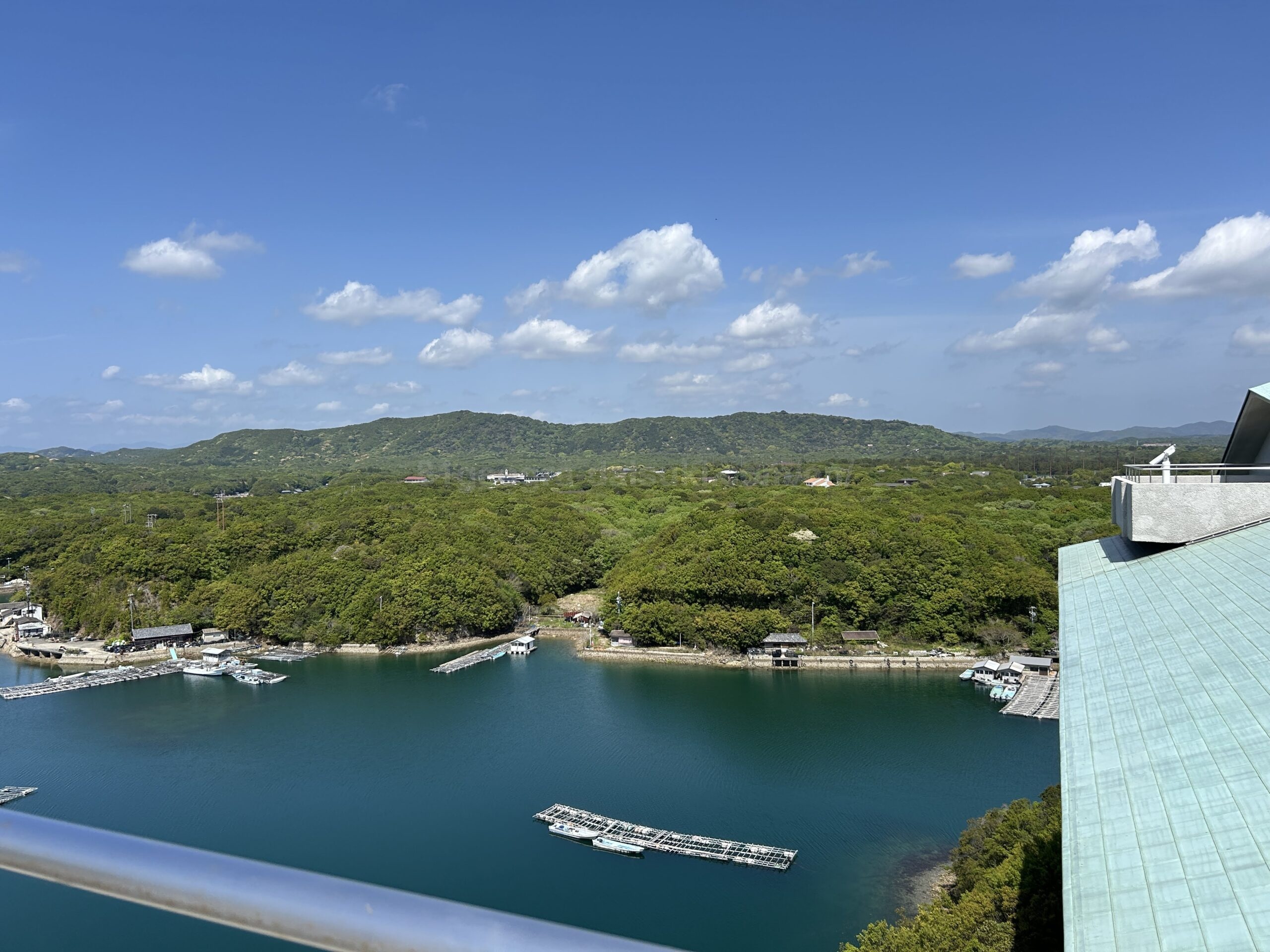
Even without knowing the novel, it is easy to understand why the view held her attention.
The islands become silhouettes and the light slowly changes across the calm water.
The Classic rooftop observatory is currently open from 6:00 a.m. to 10:00 p.m., though visitors should check for changes.
Read more about the connection on the hotel’s official Hotel and Literature page.
The Club and the tea room Guan
The Club is worth visiting slowly.
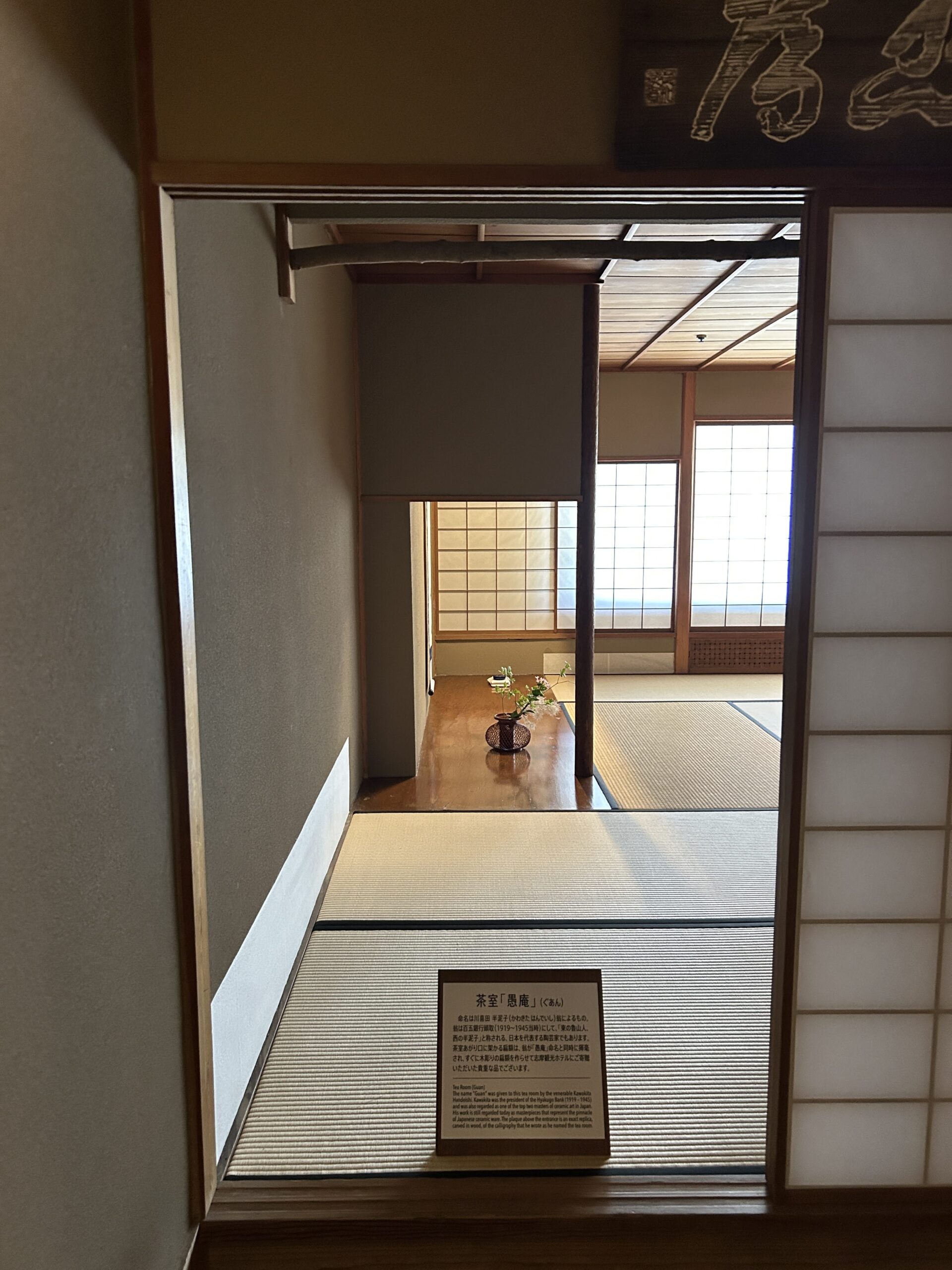
Near Café & Wine Bar Lien on the second floor is Guan, an authentic tea room preserved from the hotel’s opening.
It is a separate room, not part of the café itself.
The room has a traditional hearth.
It was named by Handeishi Kawakita, a noted ceramic artist from Mie, and the plaque above the entrance bears his calligraphy.
I could look into the tatami room from the entrance and see its alcove and tea utensils.
It is a small, quiet space, but it adds a distinctly Japanese layer to a hotel founded as a Western-style resort.
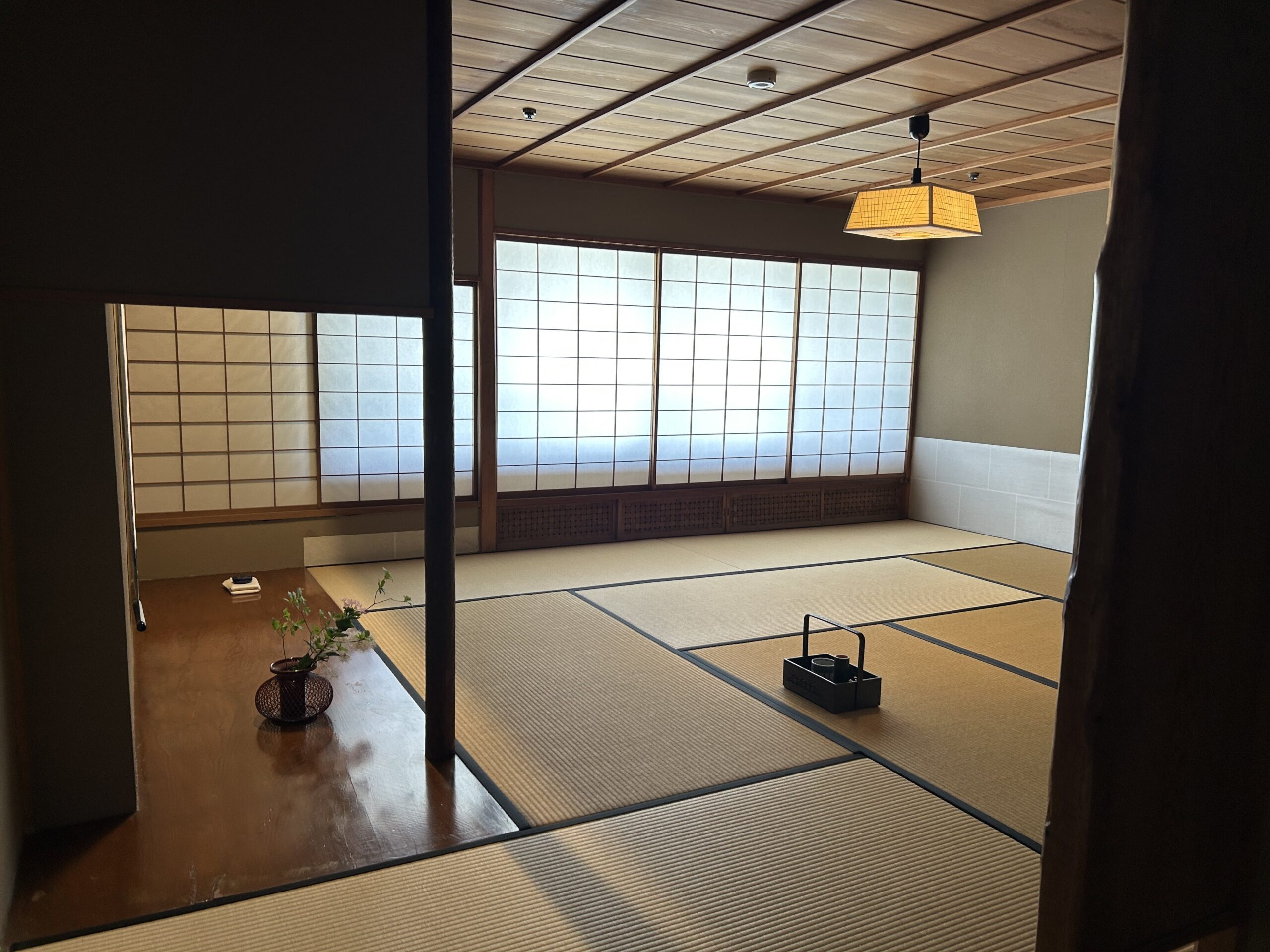
Further background is available on the hotel’s official Guan tea-room page.
A morning historical tour for hotel guests
Guests of both The Classic and The Bay Suites can join the hotel’s guided historical tour.
The current official information says that it is held daily from 9:00 a.m., lasts approximately 40 minutes and is free.
No advance booking is required. The meeting point is the second-floor lobby of The Club, in front of the Summit Gallery.
A staff member introduces the hotel’s history, artworks and locations associated with the G7 summit.
Part of the tour is outdoors, while rainy-day tours remain indoors.
Check the official historical tour information before your stay, as the time and conditions may change.
Why history changes how you see this place
Knowing that the original beams came from a wartime naval facility, that Emperor Showa admired the garden view, and that Toyoko Yamasaki carefully studied the evening light changes the way the hotel feels.
None of this is obvious when you first arrive. Once you know the stories, however, traces of them appear throughout the stay.
Shima Kanko Hotel marked its 75th anniversary on 3 April 2026.
Beyond its rooms, dining and views of Ago Bay, the time preserved in this place is part of what makes the hotel distinctive: Murano’s original building, the tea room, Yamasaki’s desk, the summit displays and the evening light over the bay.
This article is based on personal experience and photos, with some AI assistance to improve readability.


コメント