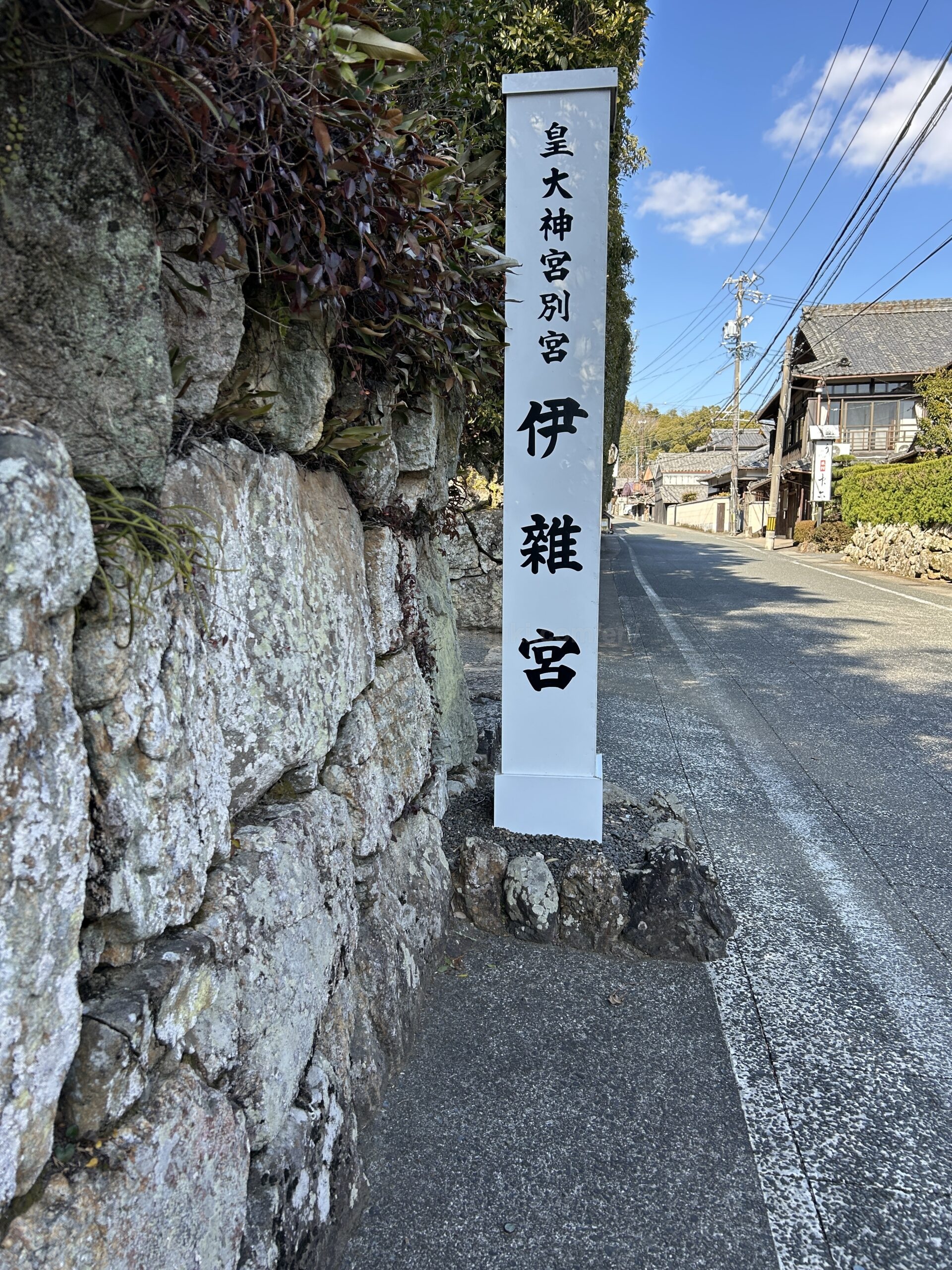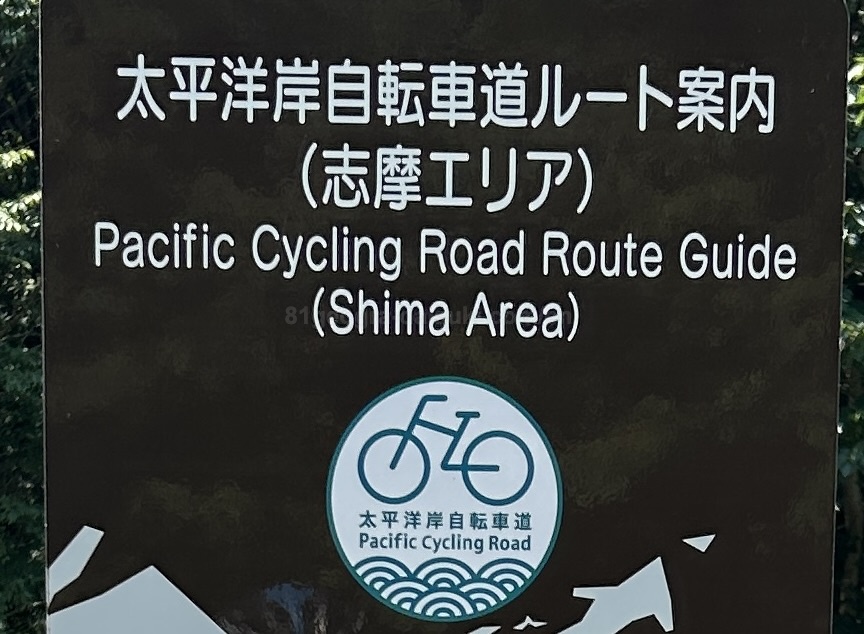
The Hamajima cycling course in Ise-Shima winds along the Pacific coast of Mie Prefecture — a route where the sea is never far from view. We set out on rented electric bicycles from Kashikojima Station, crossed the Kashikojima Ohashi bridge, and followed the green-marked Hamajima route. The day’s high reached 31°C, which made hydration and pacing essential companions throughout the ride.
Where to Stay & What to Do in This Area
▶ Find the Best Hotels on Expedia
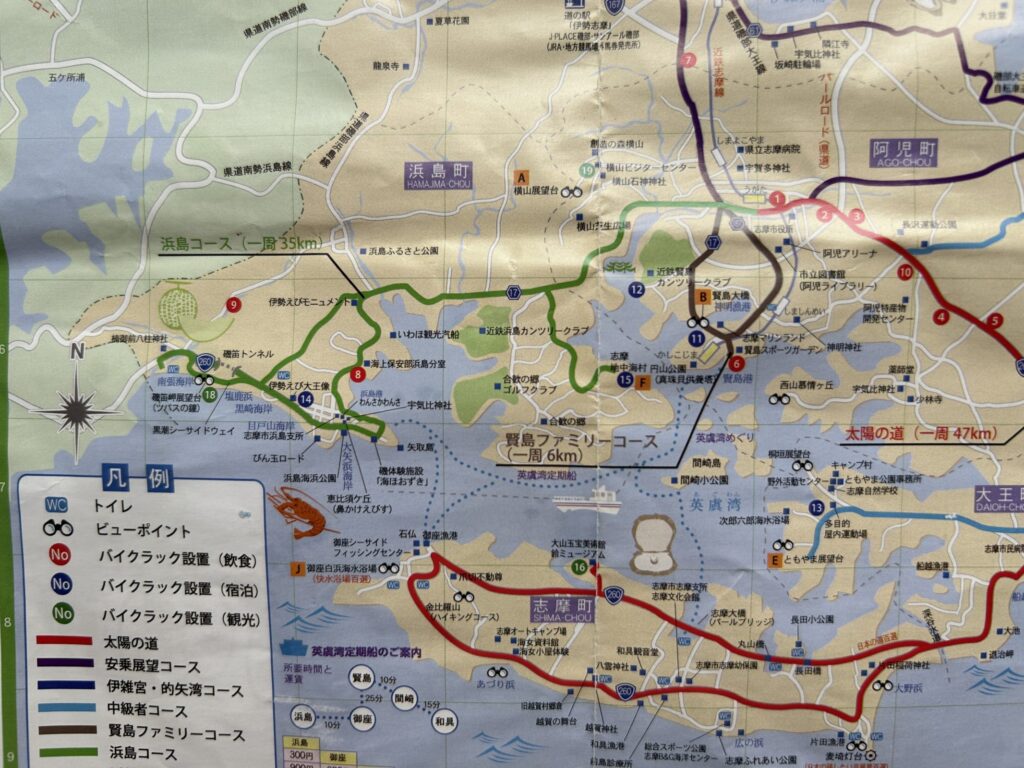
The Hamajima Course: An Overview
The Hamajima course is one of several cycling routes introduced by Shima Chari Navi, the regional cycling guide for Shima City. Starting from Kashikojima, the route passes through the Ugata area and heads southwest along the inlet, with the Pacific Ocean gradually coming into view. The road surface is notably well-maintained — flat edges without the angled shoulders that can make cycling uncomfortable — making it a pleasure to ride even in the summer heat.
The Pacific Cycling Route
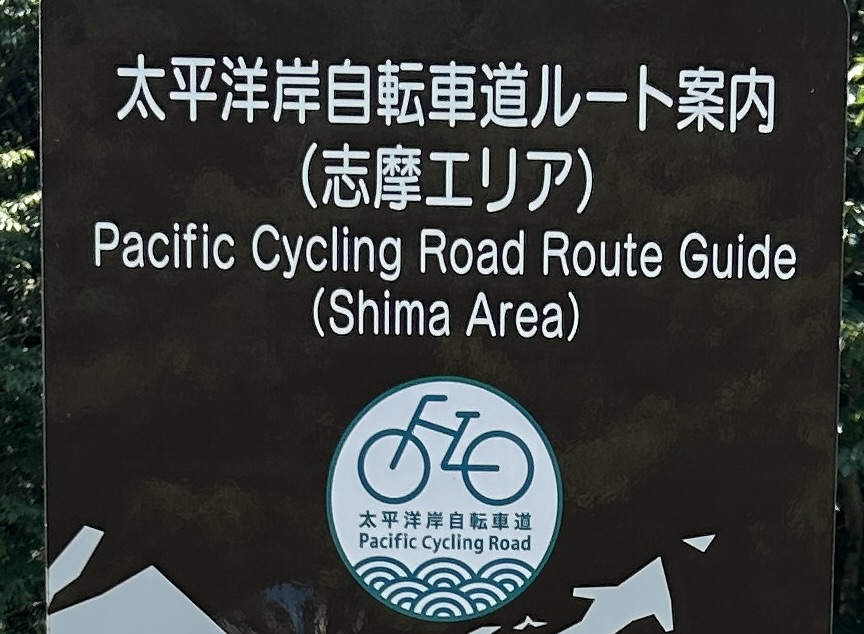
Much of this course overlaps with Japan’s Pacific Cycling Road Route — a long-distance bicycle path stretching 1,487 kilometres from Choshi City in Chiba Prefecture along the Pacific coastline through Kanagawa, Shizuoka, Aichi, and Mie, ending at Wakayama City. The route passes through some of Japan’s most celebrated landscapes, including the World Heritage Site of Mount Fuji. Along the road, small blue markers indicate where you are on this grand coastal corridor.
Rest Stops Along the Way
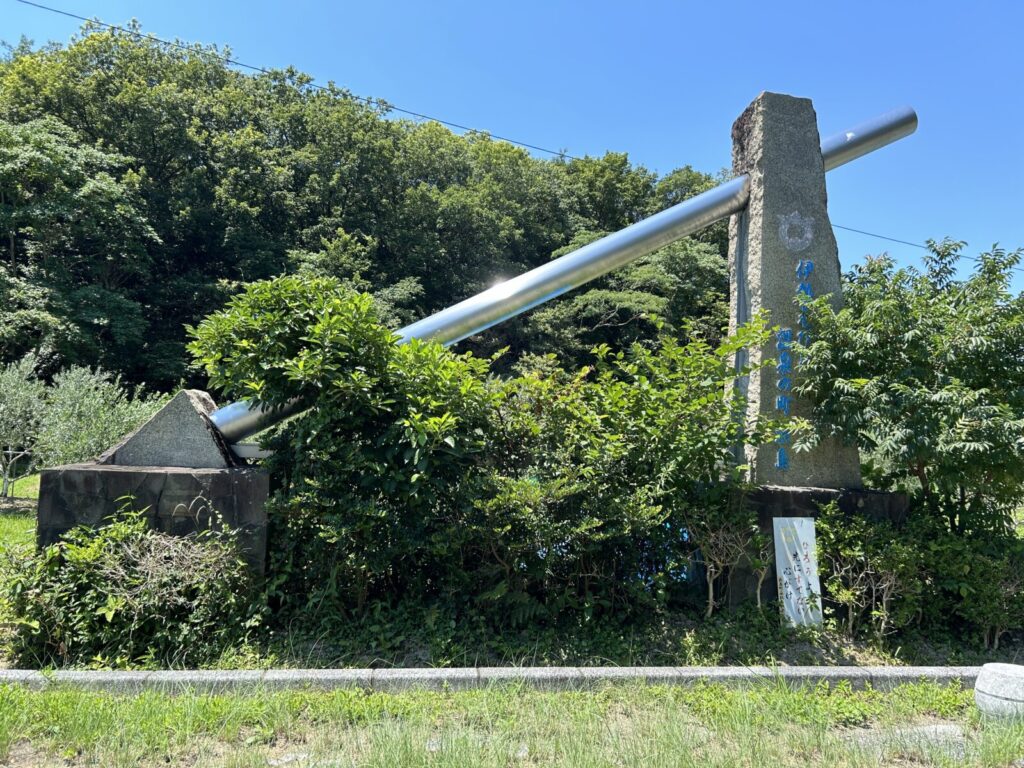
Our first pause was at Fukukawara Small Park, a modest but pleasant rest point on the Pacific Cycling Road Route. A vertical signboard marks the spot, and a shaded bench offers welcome relief. From here, the route continues along the inlet, where the air carries the faint scent of the sea and the temperature feels a degree or two cooler near the water.
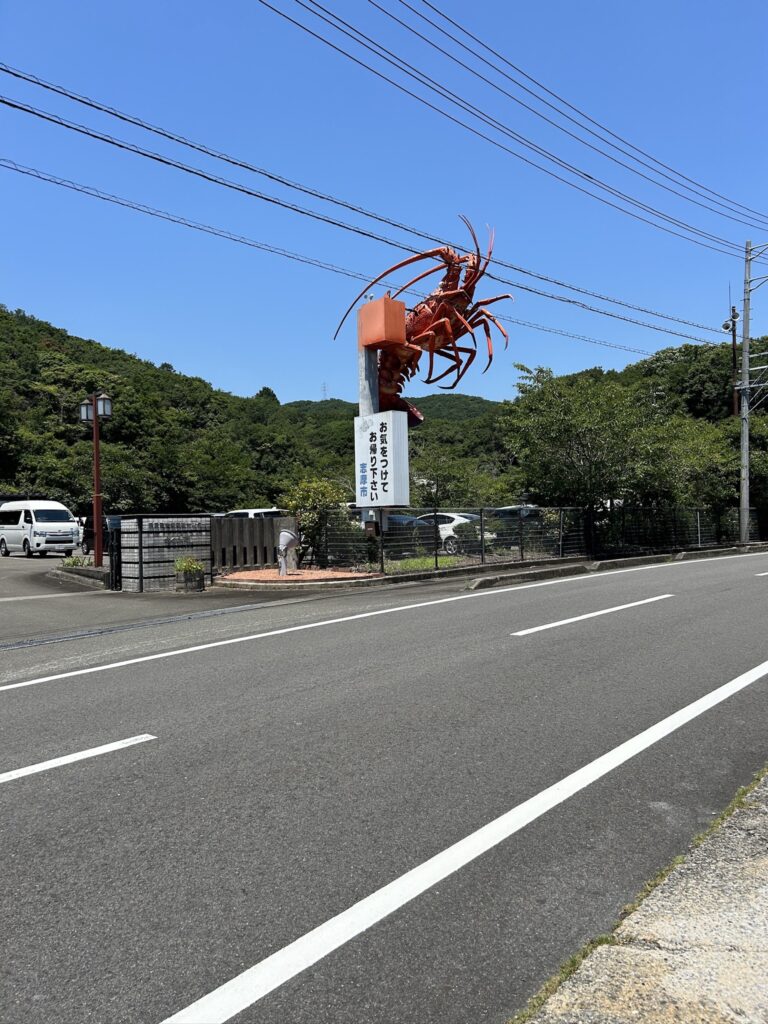
Further along, a large shrimp monument serves as both landmark and informal rest area. The shade across the road made it an ideal spot to replenish fluids.
A nearby FamilyMart convenience store — the Shima Hamashima-cho branch — provided a most welcome lunch stop: an onigiri, vegetable juice, and a salt-replenishing supplement consumed in the shade of a tree at the edge of the car park.
Bingdama Road and the Ise Lobster King
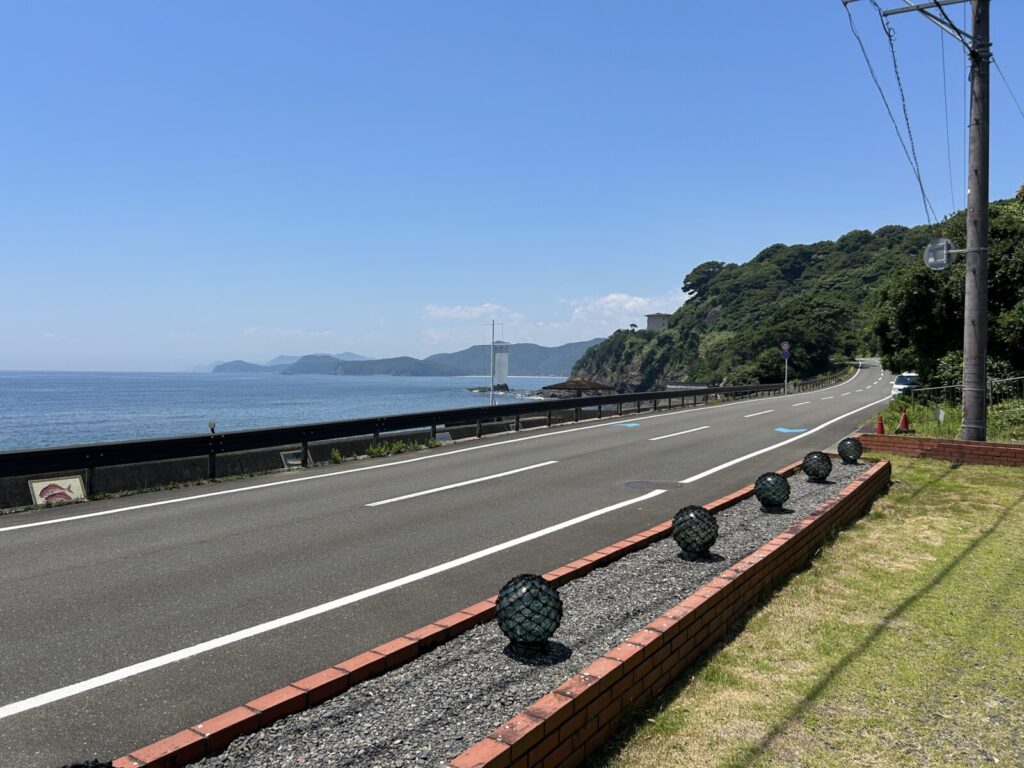
One of the more charming detours on the Hamajima route is Bingdama Road — a short coastal path named after the glass fishing floats (bin-dama) that once bobbed in these waters.
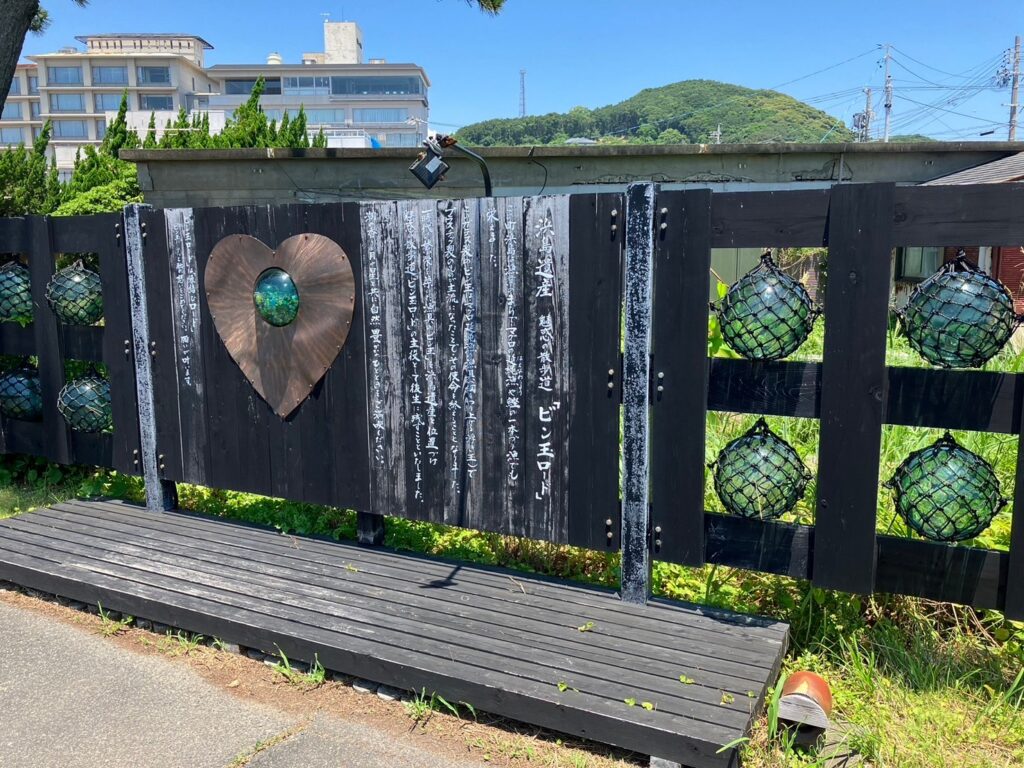
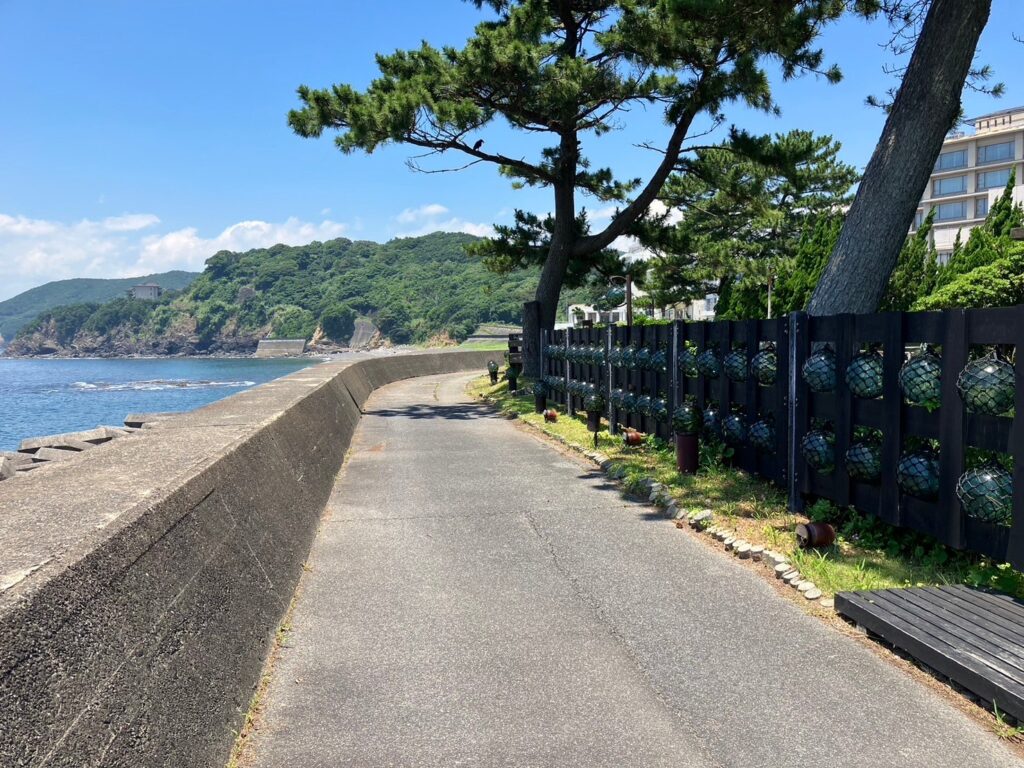
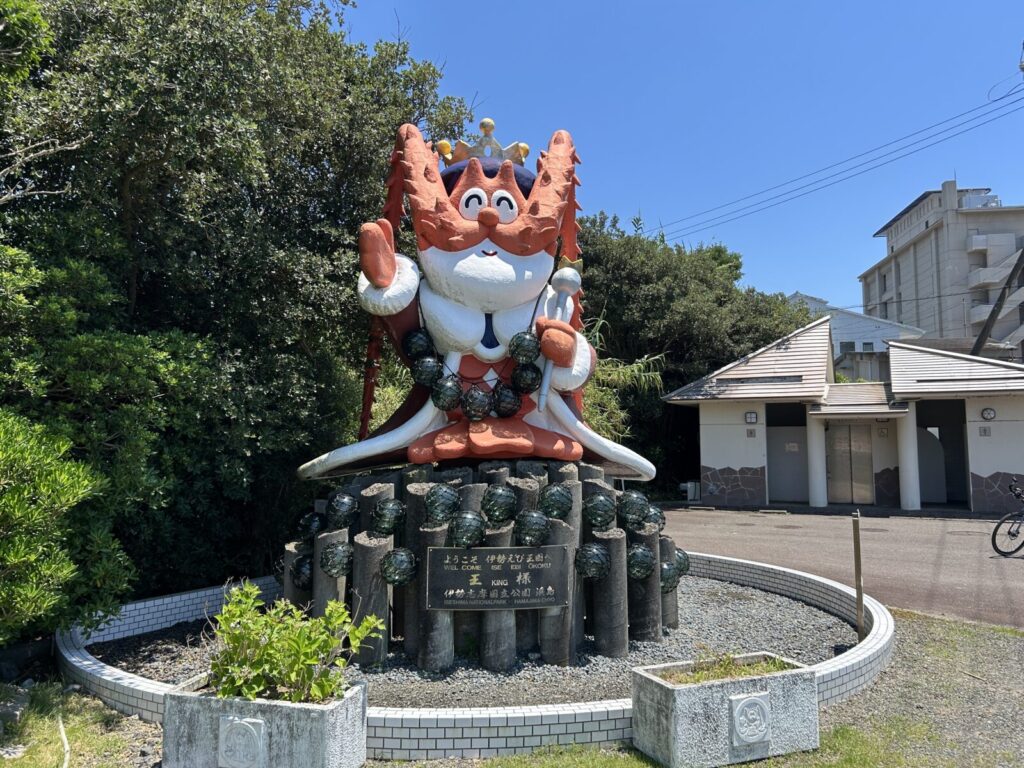
The road curves gently along the shore, offering unobstructed views of the Pacific. At the end of this stretch stands a monument to the Ise Ebi Daio — the Great Ise Lobster King — a humorous and endearing figure who serves as the road’s unofficial ambassador. A public restroom is situated nearby, a practical detail that long-distance cyclists will appreciate.
Best Hotels Near This Spot + Easy Access to Attractions
▶ Check Availability on Expedia
Kurosaki Tunnel and the Push to Cape Isofue
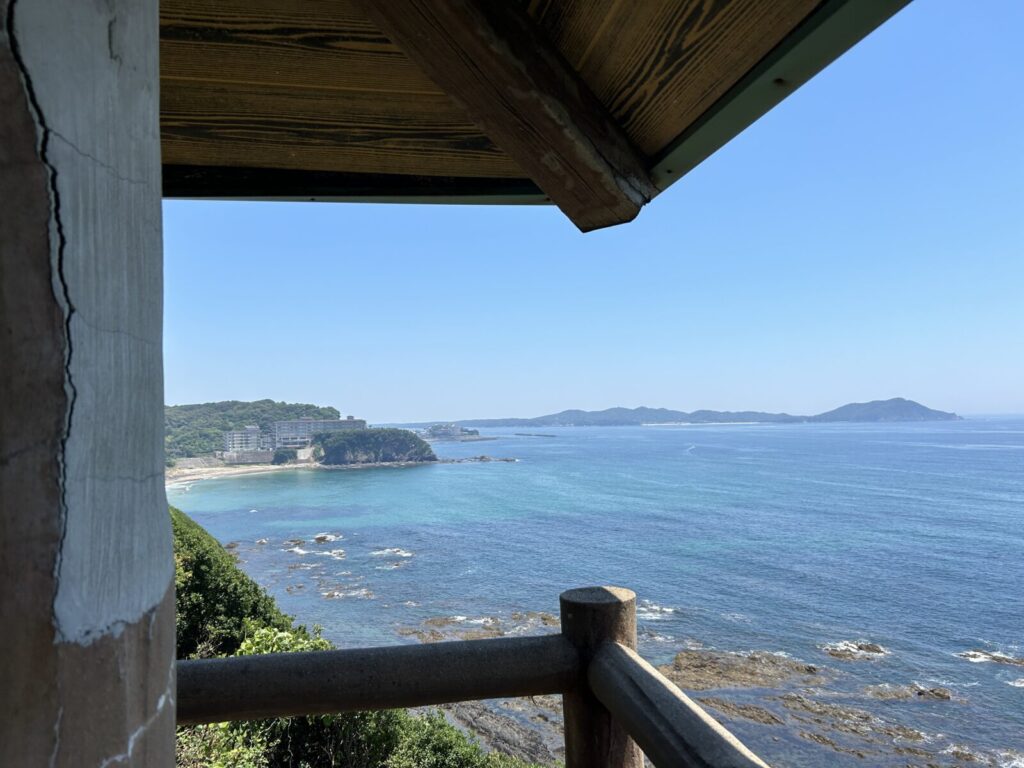
The Kurosaki Tunnel presented a moment of hesitation. Dark, narrow, and shared with passing vehicles, it is not a section one would recommend to children. The tunnel is, however, short — and emerging from its far end into bright coastal light is a distinct relief. From there, it is a short climb to the Isofue Cape Observatory, where the Pacific spreads magnificently to the horizon.
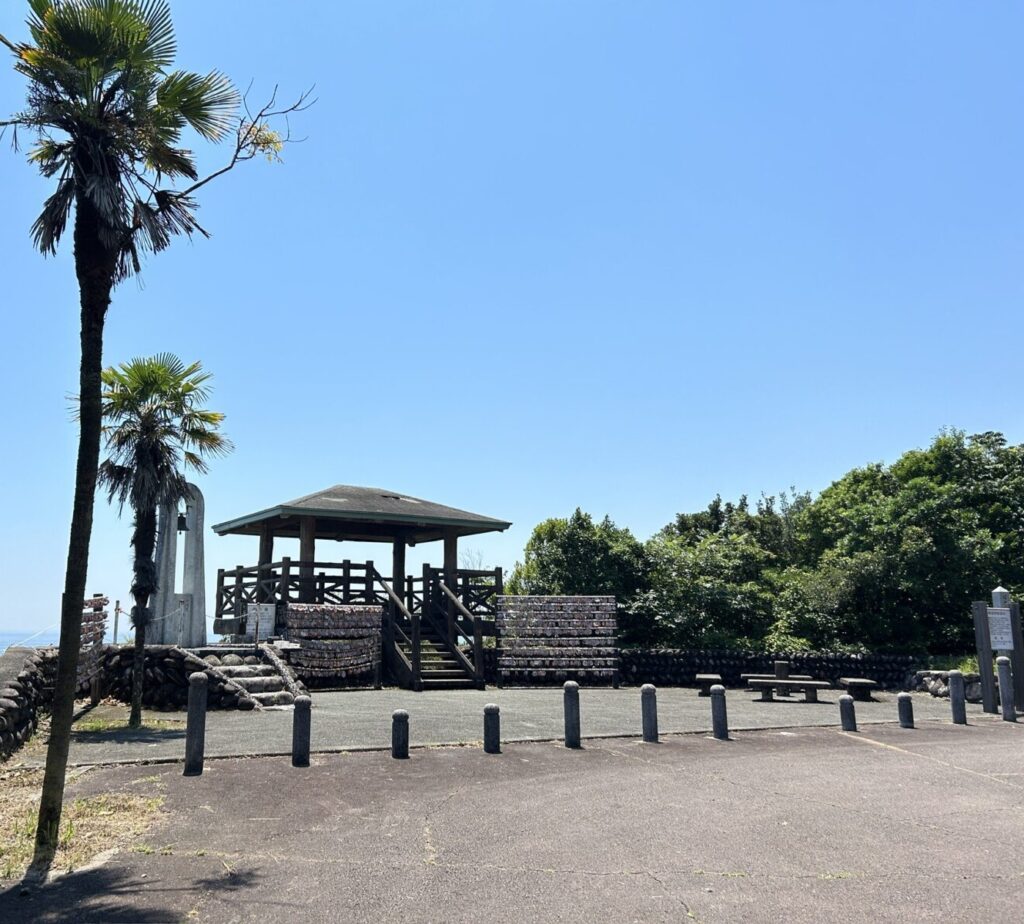
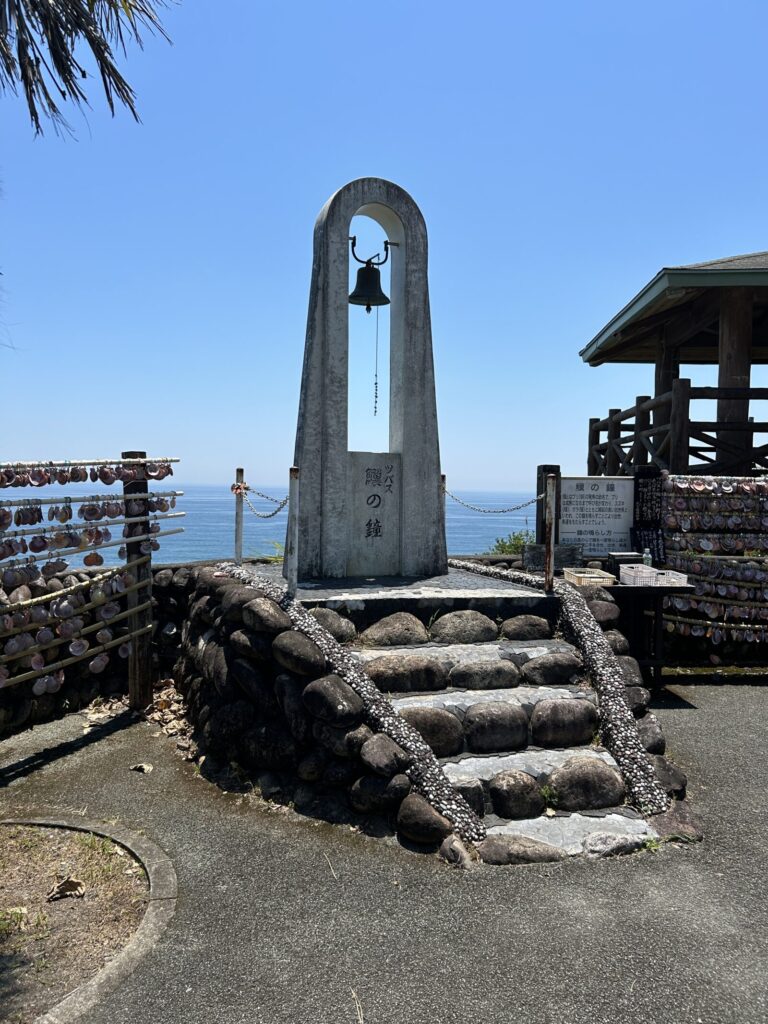
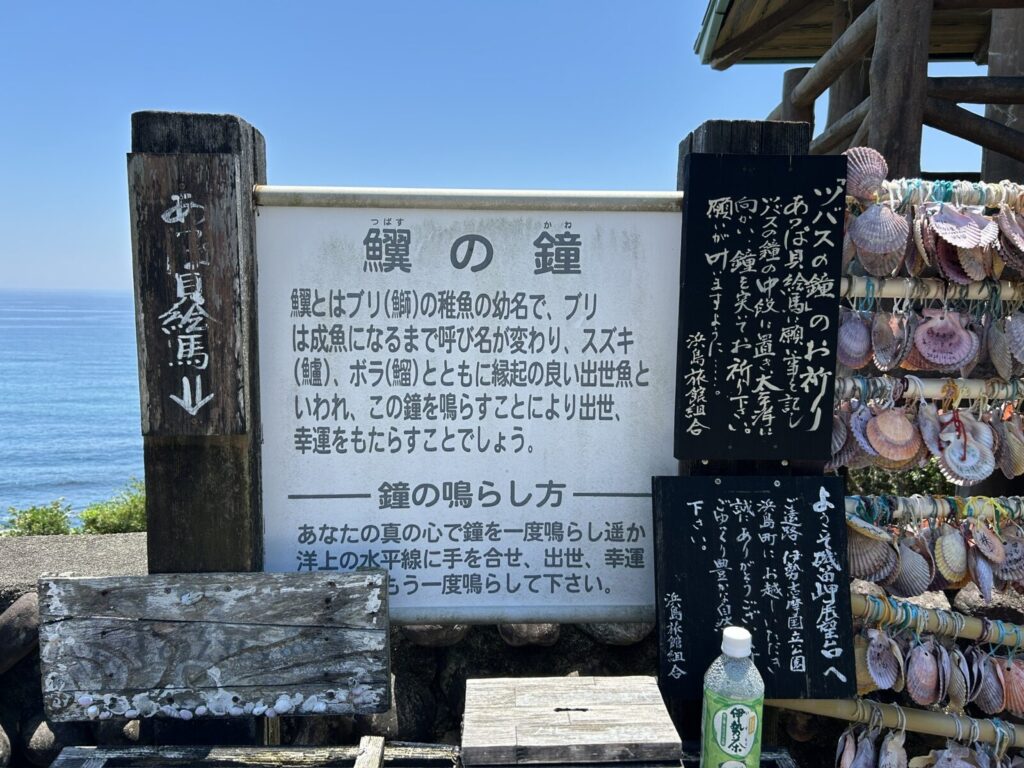
At the observatory, a small bell known as the Tsubasu no Kane awaits those who wish to ring in good fortune. Tsubasu is the juvenile form of yellowtail (buri), a fish celebrated in Japan as a symbol of advancement, as it changes its name several times before reaching maturity. For 100 yen, one may write a wish on a shell and ring the bell — a small ceremony that felt entirely appropriate after the effort of the climb.
The Return Route and a Detour to Mediterranean Village
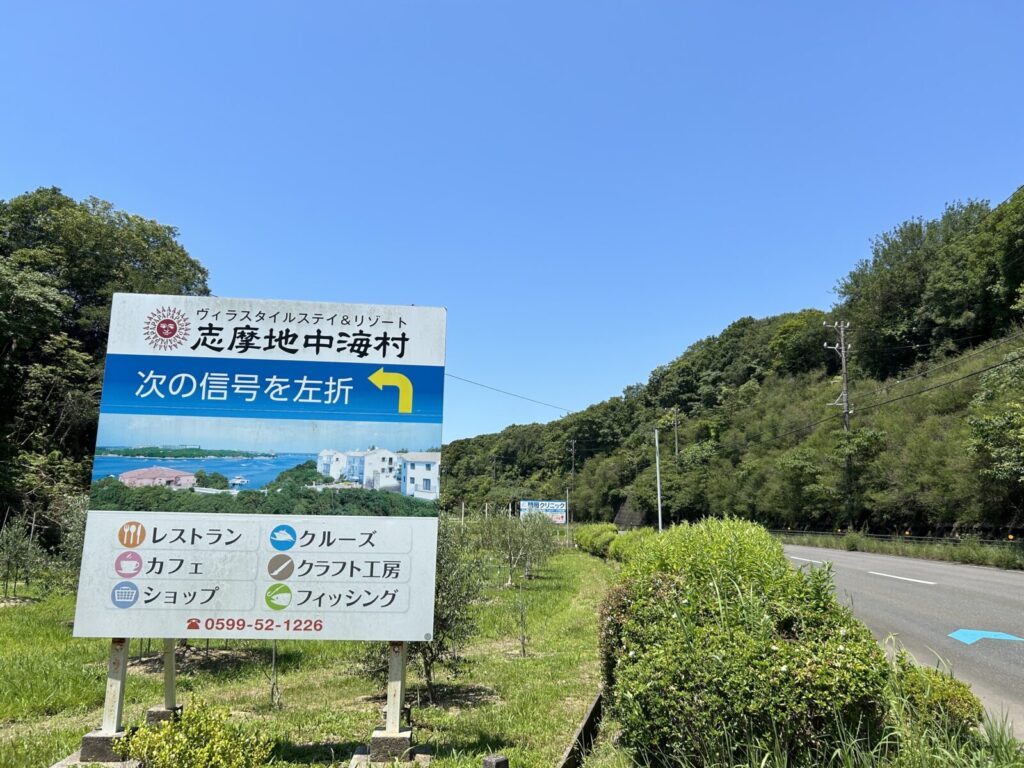
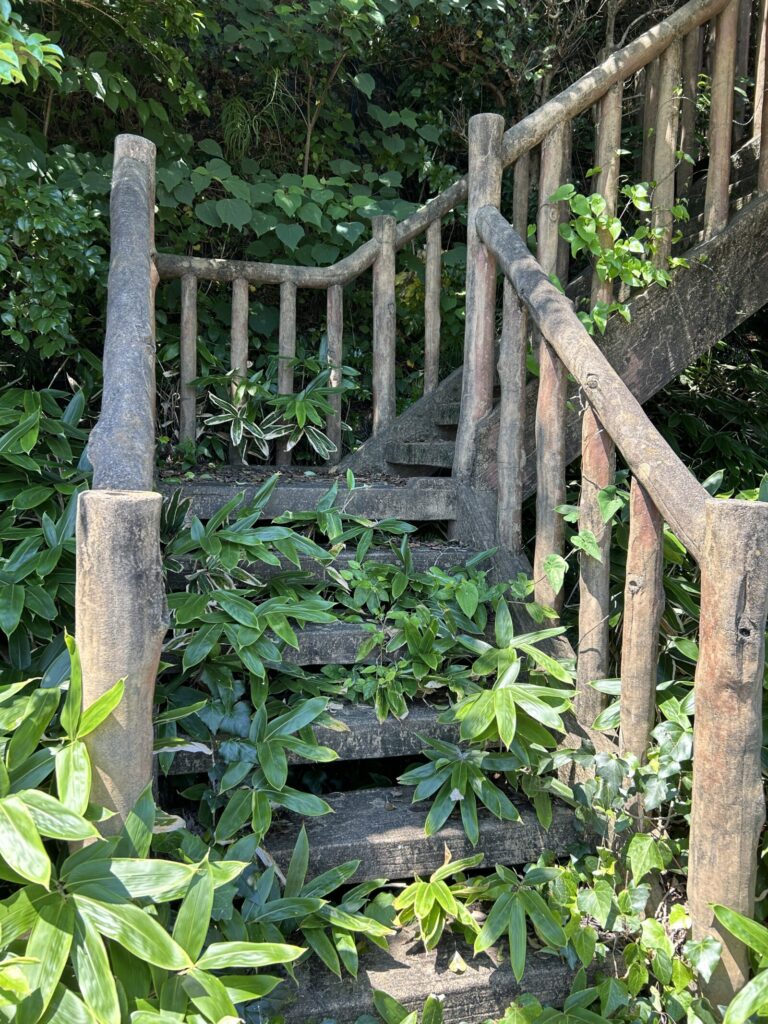
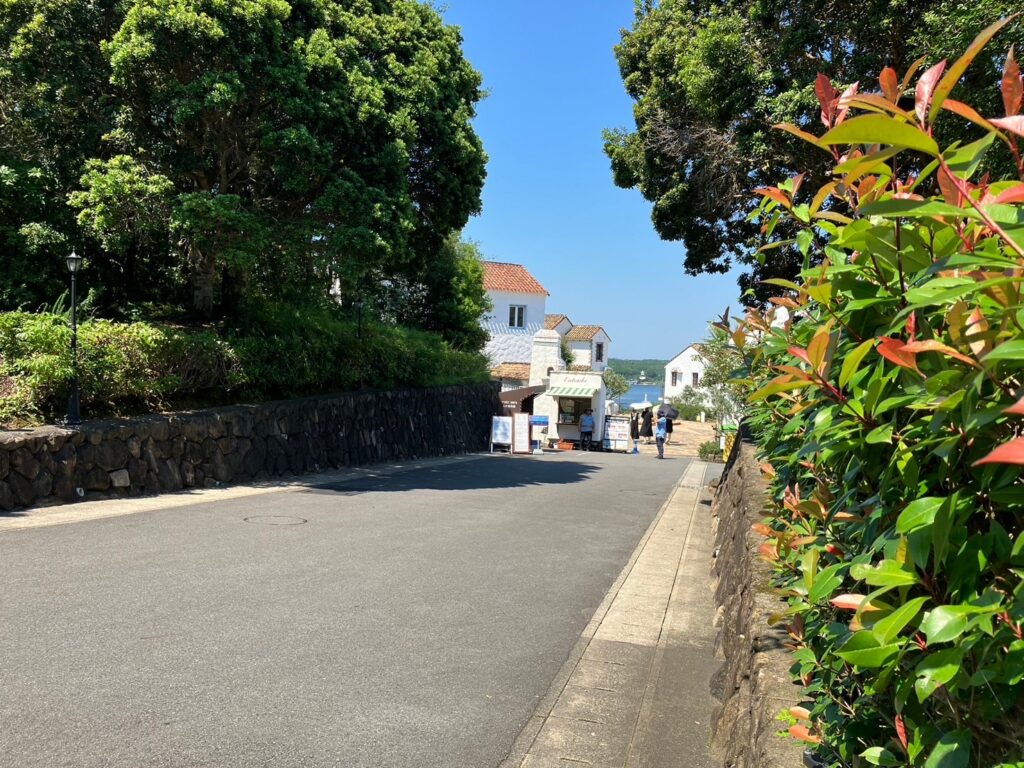
On the return, we chose the inland route via National Route 260 — avoiding the Kurosaki Tunnel entirely — which brought us back to the FamilyMart by a more direct path. A brief stop at Hazako Small Park offered views of the sea, though the overgrown entrance discouraged a longer visit. Feeling sufficiently revived, we made a short detour up the hill toward Mediterranean Village — a leisure facility built in a distinctly Southern European style. The electric assist proved invaluable on the climb. The views from the entrance were partial at best, but the ride itself was worth the effort.
Practical Notes for the Hamajima Course
The Hamajima route is suitable for cyclists of varying fitness levels, particularly on electric bicycles. The road is largely flat with good surfaces. In summer, the heat demands careful attention: carry more water than you think you will need, apply sunscreen generously, and do not hesitate to rest in shade when available. The sea views along the way are reward enough for the effort — even if you turn back before reaching the southern tip at Nambari Beach.
We rented our bicycles from our accommodation near Kashikojima. For those visiting Ise-Shima and looking for a well-situated base from which to explore the cycling routes, the area around Kashikojima offers excellent options.
Want to enjoy cycling more back home?
You can’t bring an e-bike to Japan, but cycling this country might just inspire you to start riding more at home. Electric bikes are a wonderful way to stay active — especially if you’re looking for a gentler ride that’s kind on your joints.
Explore electric bikes at Young Electric →
This hotel is the starting point for my cycling trip.👇

Where to Stay: Shima Kanko Hotel
The Classic
Check rates on Expedia /
Check rates on Ikyu
The Bay Suites
Check rates on Expedia /
Check rates on Ikyu
※ The Ikyu link leads to the hotel’s general page. Both The Classic and The Bay Suites can be found there.
Related articles
Have a nice trip!(^^)/
This article is based on personal experience and photos, with some AI assistance to improve readability.